Dive into a delightful culinary experience with this Shrimp Chow Mein. This dish combines succulent shrimp with vibrant vegetables and flavorful sauces, all tossed together with perfectly cooked chow mein noodles. It's a quick and satisfying meal that brings the taste of your favorite takeout right to your kitchen.
Some ingredients in this recipe might not be staples in every household. Oyster sauce is a rich, savory condiment that adds depth to the dish, and sesame oil provides a distinct nutty flavor. Both can be found in the international aisle of most supermarkets. Make sure to get fresh shrimp and chow mein noodles for the best results.
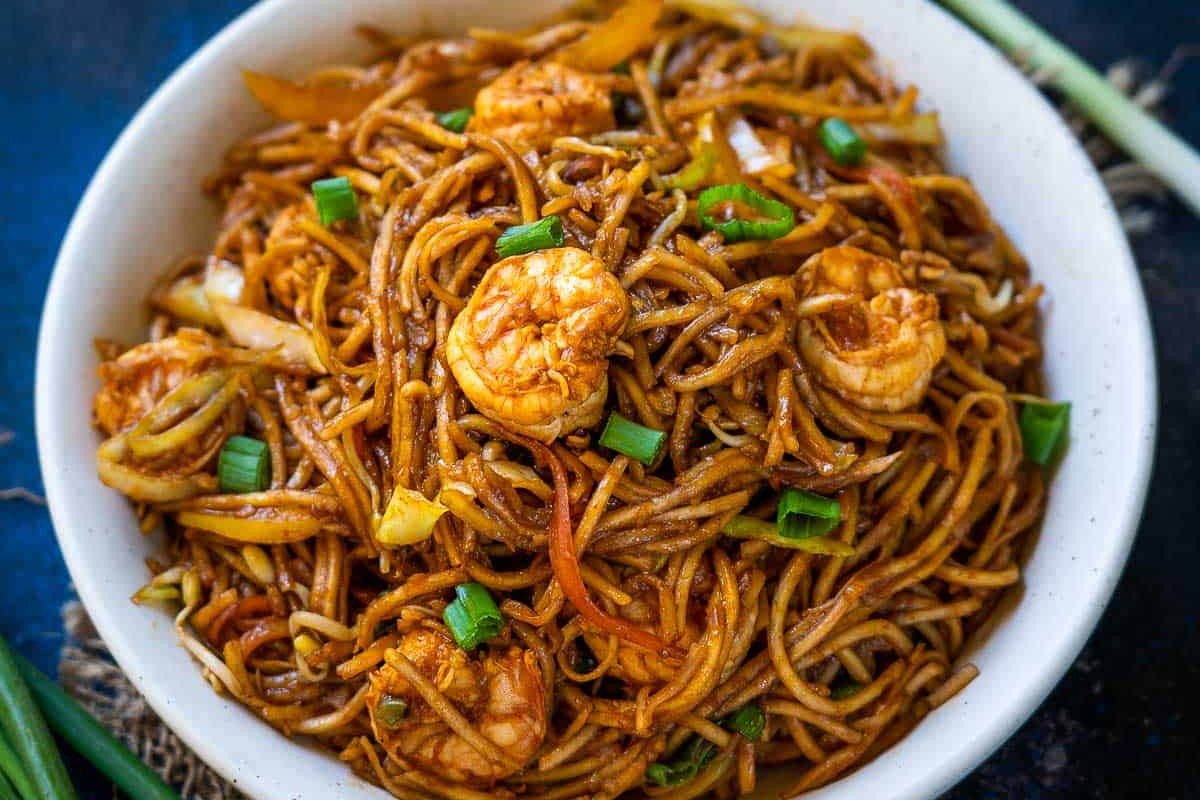
Ingredients for Shrimp Chow Mein Recipe
Shrimp: Peeled and deveined, these add a succulent seafood flavor to the dish.
Chow mein noodles: These are the base of the dish, providing a chewy texture that soaks up the sauces.
Carrot: Julienned for a slight crunch and a touch of sweetness.
Bell pepper: Sliced for a burst of color and a mild, sweet flavor.
Garlic: Minced to infuse the dish with a robust, aromatic flavor.
Soy sauce: Adds a salty, umami-rich taste that enhances all the other flavors.
Oyster sauce: A thick, savory sauce that deepens the flavor profile of the dish.
Vegetable oil: Used for stir-frying the ingredients to perfection.
Sesame oil: Adds a nutty, aromatic finish to the dish.
Technique Tip for This Recipe
When stir-frying the shrimp, make sure the wok is hot enough to sear them quickly. This helps to lock in their natural juices and prevents them from becoming rubbery. Additionally, when adding the vegetables, cut them into uniform sizes to ensure even cooking. This will give your chow mein a balanced texture and flavor.
Suggested Side Dishes
Alternative Ingredients
peeled and deveined shrimp - Substitute with chicken breast: Chicken breast provides a similar protein content and can absorb the flavors of the dish well.
peeled and deveined shrimp - Substitute with tofu: Tofu is a great vegetarian option that can mimic the texture of shrimp when cooked properly.
chow mein noodles - Substitute with spaghetti: Spaghetti can be used as a similar textured noodle, especially when cooked al dente.
chow mein noodles - Substitute with rice noodles: Rice noodles offer a gluten-free alternative and have a similar consistency.
julienned carrot - Substitute with zucchini: Zucchini can be julienned and provides a similar crunch and color.
julienned carrot - Substitute with cabbage: Cabbage adds a crunchy texture and can be easily sliced into thin strips.
sliced bell pepper - Substitute with snap peas: Snap peas offer a similar sweetness and crunch.
sliced bell pepper - Substitute with broccoli: Broccoli florets provide a different texture but a similar nutritional profile.
minced garlic - Substitute with garlic powder: Garlic powder can provide a similar flavor, though it lacks the fresh aroma.
minced garlic - Substitute with shallots: Shallots offer a milder garlic flavor and can be minced similarly.
soy sauce - Substitute with tamari: Tamari is a gluten-free alternative that offers a similar umami flavor.
soy sauce - Substitute with coconut aminos: Coconut aminos provide a slightly sweeter and less salty alternative.
oyster sauce - Substitute with hoisin sauce: Hoisin sauce offers a similar thick consistency and a sweet-savory flavor.
oyster sauce - Substitute with mushroom sauce: Mushroom sauce provides a similar umami depth, especially for vegetarian versions.
vegetable oil - Substitute with canola oil: Canola oil has a similar high smoke point and neutral flavor.
vegetable oil - Substitute with grapeseed oil: Grapeseed oil is another neutral oil with a high smoke point.
sesame oil - Substitute with peanut oil: Peanut oil offers a nutty flavor, though slightly different, and can be used in stir-fries.
sesame oil - Substitute with walnut oil: Walnut oil provides a rich, nutty flavor that can complement the dish well.
Other Alternative Recipes Similar to This Dish
How to Store or Freeze This Dish
- Allow the shrimp chow mein to cool to room temperature before storing. This helps prevent condensation, which can make the dish soggy.
- Transfer the shrimp chow mein to an airtight container. Make sure the container is sealed tightly to maintain freshness and prevent any odors from other foods in the fridge from seeping in.
- Store the container in the refrigerator if you plan to consume the shrimp chow mein within 3-4 days. This will keep the shrimp and vegetables fresh and flavorful.
- For longer storage, place the shrimp chow mein in a freezer-safe container or a heavy-duty freezer bag. Label the container with the date to keep track of its freshness.
- When freezing, try to remove as much air as possible from the container or bag. This helps prevent freezer burn, which can affect the texture and taste of the shrimp chow mein.
- To reheat refrigerated shrimp chow mein, you can use a microwave or a stovetop. For the microwave, place the chow mein in a microwave-safe dish, cover it with a microwave-safe lid or plastic wrap, and heat on medium power for 2-3 minutes, stirring halfway through.
- For stovetop reheating, add a small amount of vegetable oil to a pan and heat over medium heat. Add the shrimp chow mein and stir-fry for 3-5 minutes until heated through.
- If reheating from frozen, it's best to thaw the shrimp chow mein in the refrigerator overnight. Once thawed, follow the same reheating instructions as above.
- Avoid reheating the shrimp chow mein multiple times, as this can lead to overcooked shrimp and mushy noodles. Reheat only the portion you plan to eat.
- Enjoy your shrimp chow mein with the same delicious taste and texture as when it was freshly made!
How to Reheat Leftovers
Stovetop Method:
- Heat a non-stick skillet or wok over medium heat.
- Add a small amount of vegetable oil or sesame oil to the pan.
- Once the oil is hot, add the leftover shrimp chow mein.
- Stir occasionally to ensure even heating, cooking for about 5-7 minutes until the shrimp and vegetables are heated through.
- If the noodles seem dry, add a splash of soy sauce or a bit of water to moisten them.
Microwave Method:
- Place the leftover shrimp chow mein in a microwave-safe dish.
- Cover the dish with a microwave-safe lid or plastic wrap, leaving a small vent for steam to escape.
- Microwave on medium power for 1-2 minutes.
- Stir the noodles and shrimp to ensure even heating.
- Continue microwaving in 30-second intervals until the dish is heated through, stirring between intervals.
Oven Method:
- Preheat your oven to 350°F (175°C).
- Place the leftover shrimp chow mein in an oven-safe dish.
- Cover the dish with aluminum foil to prevent drying out.
- Bake for about 10-15 minutes, or until the shrimp and vegetables are heated through.
- Remove the foil for the last 5 minutes if you prefer a slightly crispy texture.
Steaming Method:
- Fill a steamer pot with water and bring it to a boil.
- Place the leftover shrimp chow mein in a heatproof dish that fits inside the steamer basket.
- Cover and steam for about 5-7 minutes, or until the shrimp and vegetables are heated through.
- Carefully remove the dish from the steamer and serve immediately.
Best Tools for This Recipe
Wok: A large, round-bottomed cooking vessel ideal for stir-frying ingredients quickly and evenly.
Knife: Essential for slicing the bell pepper and julienning the carrot.
Cutting board: Provides a stable surface for chopping vegetables and preparing shrimp.
Tongs: Useful for handling and tossing the shrimp and noodles in the wok.
Colander: Used to drain the cooked chow mein noodles.
Measuring spoons: Necessary for accurately measuring the soy sauce, oyster sauce, vegetable oil, and sesame oil.
Garlic press: Handy for mincing the garlic cloves quickly and efficiently.
Spatula: Helps in stirring and mixing the ingredients in the wok.
Pot: Needed for boiling the chow mein noodles according to the package instructions.
Serving dish: For plating the finished shrimp chow mein before serving.
How to Save Time on Making This Recipe
Prep ingredients ahead: Chop the carrot and bell pepper in advance to save time during cooking.
Use pre-cooked shrimp: Opt for pre-cooked shrimp to reduce cooking time.
Quick-cook noodles: Choose quick-cooking chow mein noodles to speed up the process.
One-pan method: Use a single wok to minimize cleanup and streamline cooking.
Ready sauces: Measure out the soy sauce and oyster sauce before starting to cook.
Shrimp Chow Mein Recipe
Ingredients
Main Ingredients
- 200 g Shrimp peeled and deveined
- 200 g Chow Mein Noodles
- 1 Carrot julienned
- 1 Bell Pepper sliced
- 2 cloves Garlic minced
- 2 tablespoon Soy Sauce
- 1 tablespoon Oyster Sauce
- 1 tablespoon Vegetable Oil
- 1 teaspoon Sesame Oil
Instructions
- 1. Cook the chow mein noodles according to the package instructions. Drain and set aside.
- 2. Heat the vegetable oil in a wok over medium-high heat. Add the garlic and stir-fry for 30 seconds.
- 3. Add the shrimp and cook until pink, about 2-3 minutes. Remove from the wok and set aside.
- 4. In the same wok, add the carrot and bell pepper. Stir-fry for 2-3 minutes until tender.
- 5. Return the shrimp to the wok along with the cooked noodles. Add the soy sauce, oyster sauce, and sesame oil. Toss everything together until well combined and heated through.
- 6. Serve hot and enjoy!
Nutritional Value
Keywords
Suggested Appetizers and Desserts for This Dish
More Amazing Recipes to Try 🙂
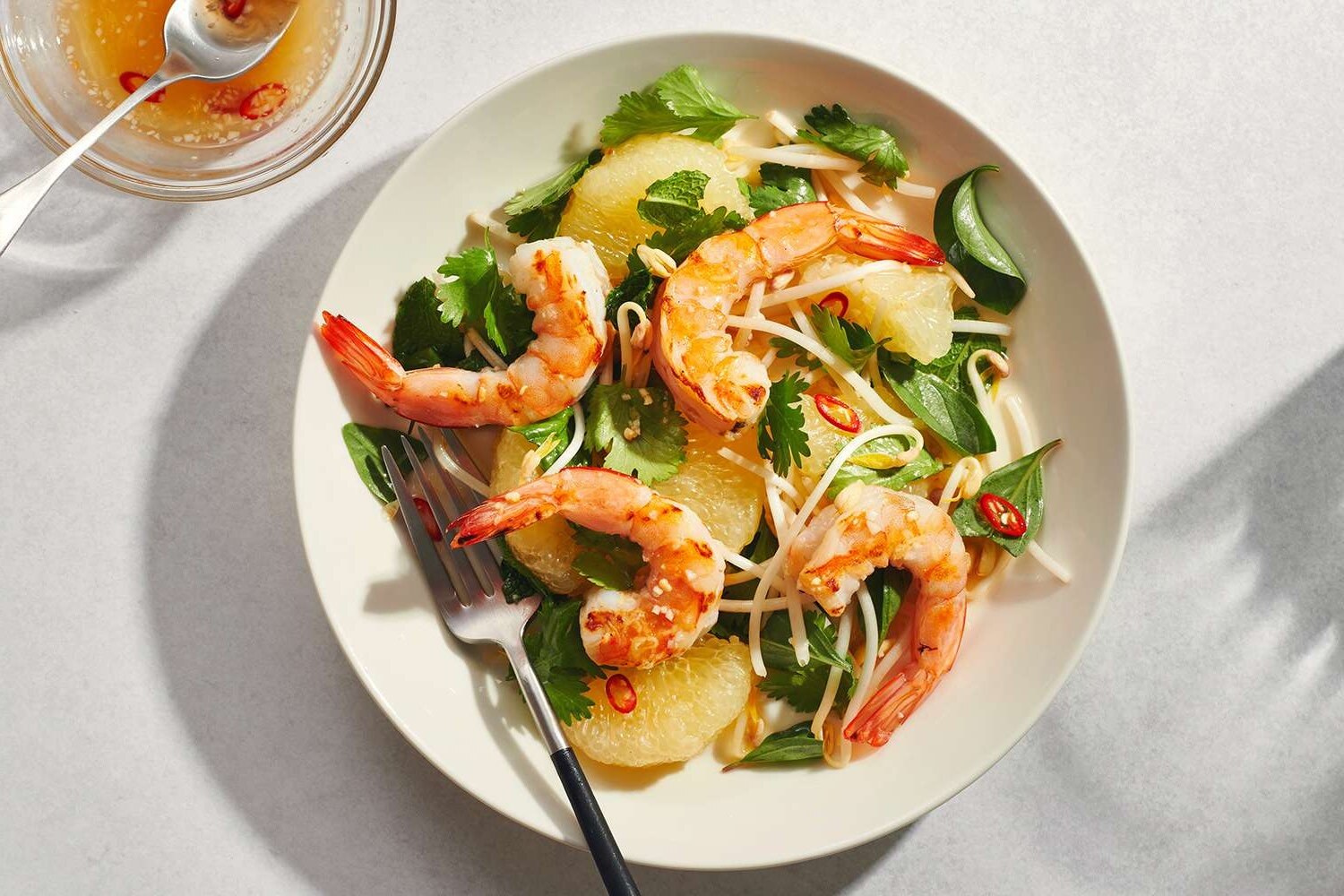
- Shrimp Pomelo Salad Recipe25 Minutes
- Birria de Res Tacos Recipe3 Hours 30 Minutes
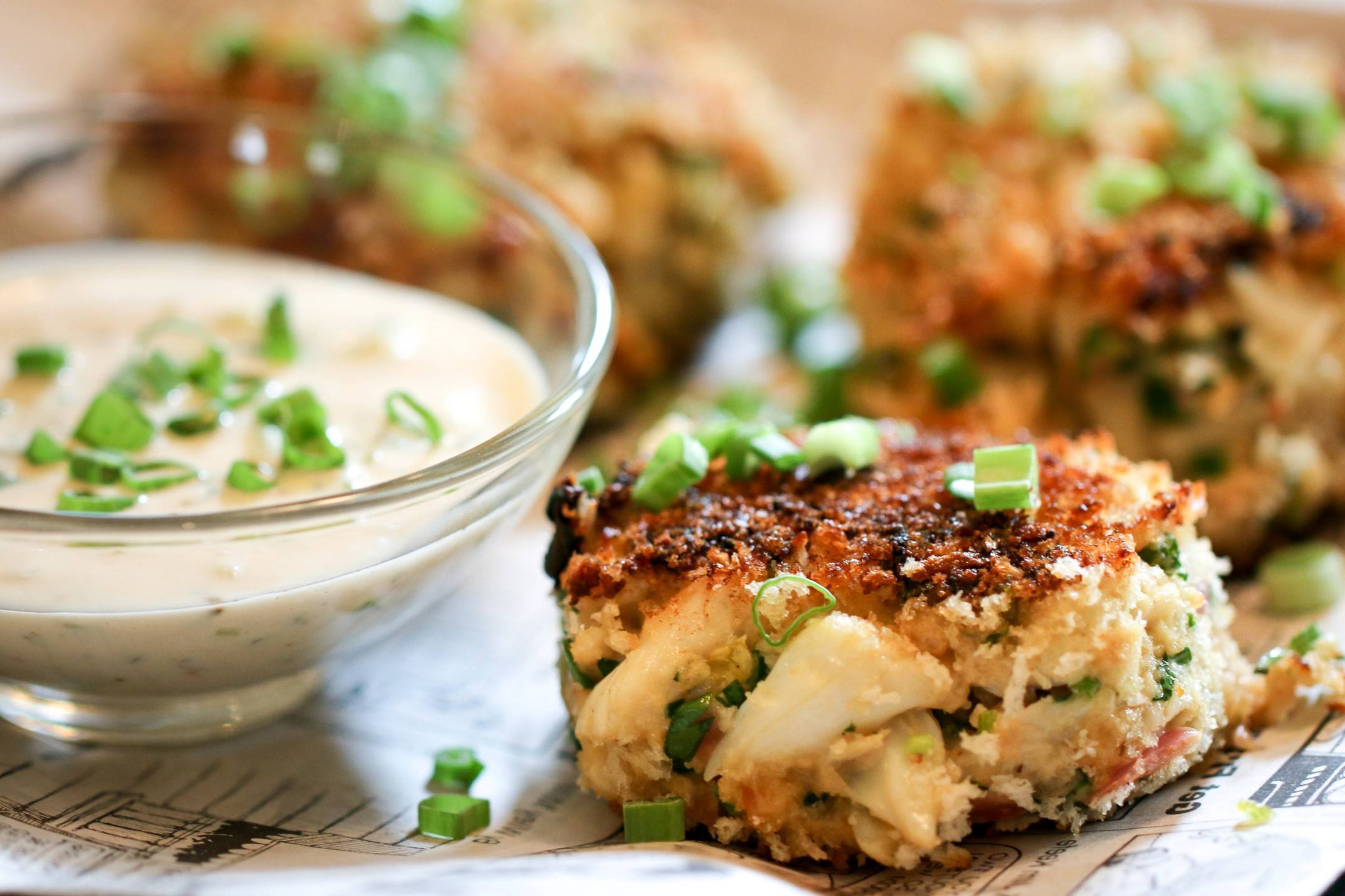
- Cajun Crab Cakes Recipe25 Minutes
- Grill Master Chicken Wings Recipe40 Minutes
- Spicy Shrimp and Sweet Potato Soup Recipe45 Minutes
- Thai Mango Prawn Salad Recipe20 Minutes
- Crabmeat Bisque Recipe45 Minutes
- Orange Dipping Sauce for Coconut Shrimp Recipe5 Minutes


Leave a Reply