
This Japanese restaurant-style salad dressing brings a burst of umami flavor to your greens. It's a delightful blend of soy sauce, rice vinegar, and sesame oil, balanced with a touch of sweetness from sugar and a kick from ginger and garlic. Perfect for adding an exotic twist to your salads.
Some ingredients in this recipe might not be staples in every household. Rice vinegar and sesame oil are essential for achieving the authentic Japanese flavor and can be found in the international aisle of most supermarkets. Fresh ginger and sesame seeds might also be less common but are crucial for the dressing's unique taste and texture.
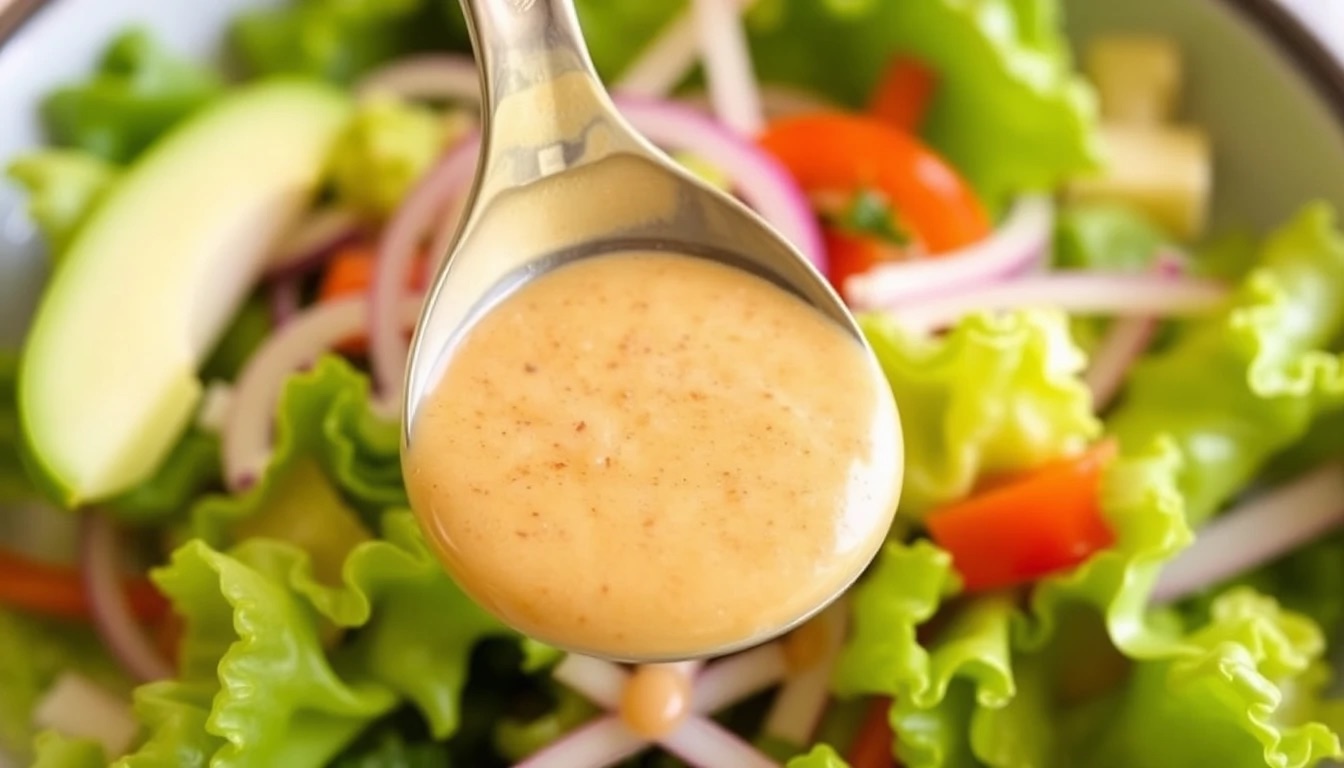
Ingredients For Japanese Restaurant Style Salad Dressing
Soy sauce: A salty, savory liquid made from fermented soybeans, essential for umami flavor.
Rice vinegar: A mild, slightly sweet vinegar made from fermented rice, used in many Asian dishes.
Sesame oil: A fragrant oil made from sesame seeds, adding a nutty flavor.
Sugar: Adds sweetness to balance the salty and tangy elements.
Ginger: Freshly grated root that provides a spicy, aromatic kick.
Garlic: Minced clove that adds a pungent, savory depth.
Sesame seeds: Small seeds that add texture and a subtle nutty flavor.
Technique Tip for This Salad Dressing
To enhance the flavor of the ginger and garlic, lightly sauté them in a small amount of sesame oil before adding them to the blender. This will mellow their sharpness and bring out a deeper, more complex aroma in your dressing.
Suggested Side Dishes
Alternative Ingredients
soy sauce - Substitute with tamari: Tamari is a gluten-free alternative that provides a similar umami flavor.
soy sauce - Substitute with coconut aminos: Coconut aminos is a soy-free option that is slightly sweeter but still offers a savory taste.
rice vinegar - Substitute with apple cider vinegar: Apple cider vinegar has a similar acidity and can mimic the tanginess of rice vinegar.
rice vinegar - Substitute with white wine vinegar: White wine vinegar has a comparable acidity and light flavor profile.
sesame oil - Substitute with olive oil: Olive oil can be used for its healthy fats, though it lacks the nutty flavor of sesame oil.
sesame oil - Substitute with peanut oil: Peanut oil has a similar nutty flavor and can be a good alternative.
sugar - Substitute with honey: Honey adds sweetness and a bit of complexity to the dressing.
sugar - Substitute with maple syrup: Maple syrup provides a natural sweetness and a unique flavor.
ginger, grated - Substitute with ground ginger: Ground ginger can be used in smaller quantities to provide a similar spicy warmth.
ginger, grated - Substitute with galangal: Galangal has a similar spicy and aromatic profile, though it is slightly more citrusy.
garlic, minced - Substitute with garlic powder: Garlic powder can be used in smaller amounts to provide a similar flavor.
garlic, minced - Substitute with shallots: Shallots offer a milder, sweeter flavor that can complement the dressing.
sesame seeds - Substitute with chia seeds: Chia seeds provide a similar texture and nutritional benefits.
sesame seeds - Substitute with sunflower seeds: Sunflower seeds offer a similar crunch and nutty flavor.
Other Alternative Recipes Similar to This Salad Dressing
How to Store or Freeze This Salad Dressing
To store your Japanese restaurant style salad dressing, pour it into an airtight container or a glass jar with a tight-fitting lid. This will help maintain its freshness and prevent any unwanted odors from seeping in.
Place the container in the refrigerator. The dressing can be kept refrigerated for up to a week. Make sure to give it a good shake or stir before each use, as the ingredients may separate over time.
If you wish to freeze the dressing, pour it into a freezer-safe container, leaving some space at the top to allow for expansion. Seal the container tightly.
Label the container with the date of preparation. This will help you keep track of how long it has been stored.
When you're ready to use the frozen dressing, transfer it to the refrigerator and let it thaw overnight. Once thawed, give it a good shake or stir to recombine the ingredients.
Avoid refreezing the dressing after it has been thawed, as this can affect the texture and flavor.
For an extra burst of freshness, consider adding freshly grated ginger or minced garlic just before serving, especially if the dressing has been stored for a few days.
If you notice any off smells or changes in texture, it's best to discard the dressing and make a fresh batch.
How to Reheat Leftovers
- Gently whisk the salad dressing in a small bowl to ensure all ingredients are well combined before reheating.
- Pour the dressing into a small saucepan and place it over low heat. Stir occasionally to prevent any separation and to evenly distribute the heat.
- Alternatively, you can microwave the dressing in a microwave-safe container. Heat it in short intervals of 10-15 seconds, stirring in between, until it reaches the desired temperature.
- If you prefer a more controlled reheating method, use a double boiler. Place the dressing in a heatproof bowl over a pot of simmering water. Stir gently until warmed through.
- Once reheated, give the dressing a final whisk to ensure a smooth consistency before serving over your favorite salad or vegetables.
Best Tools for This Recipe
Blender: Use this to combine all the ingredients and blend them until smooth.
Measuring cups: Essential for accurately measuring the soy sauce, rice vinegar, and sesame oil.
Measuring spoons: Necessary for measuring the sugar, grated ginger, and sesame seeds.
Grater: Handy for grating the fresh ginger.
Garlic press: Useful for mincing the garlic clove quickly and efficiently.
Spatula: Helps to scrape down the sides of the blender to ensure all ingredients are well mixed.
Storage container: Ideal for storing any leftover dressing in the refrigerator.
How to Save Time on Making This Salad Dressing
Pre-measure ingredients: Measure out all ingredients like soy sauce, rice vinegar, and sesame oil beforehand to streamline the process.
Use a microplane: Grate the ginger and garlic with a microplane to save time and ensure even texture.
Batch preparation: Make a larger batch of the dressing and store it in the refrigerator for up to a week for quick use.
Blender efficiency: Use a high-speed blender to quickly combine and emulsify the ingredients for a smooth dressing.
Japanese Restaurant Style Salad Dressing Recipe
Ingredients
Main Ingredients
- ½ cup Soy Sauce
- ¼ cup Rice Vinegar
- ¼ cup Sesame Oil
- 2 tablespoon Sugar
- 1 tablespoon Ginger, grated
- 1 clove Garlic, minced
- 1 tablespoon Sesame Seeds
Instructions
- Combine all ingredients in a blender.
- Blend until smooth.
- Serve immediately or store in the refrigerator for up to a week.
Nutritional Value
Keywords
More Amazing Recipes to Try 🙂
- Broccoli Casserole with Rice Recipe45 Minutes
- Cabbage Slaw for Fish Tacos Recipe15 Minutes
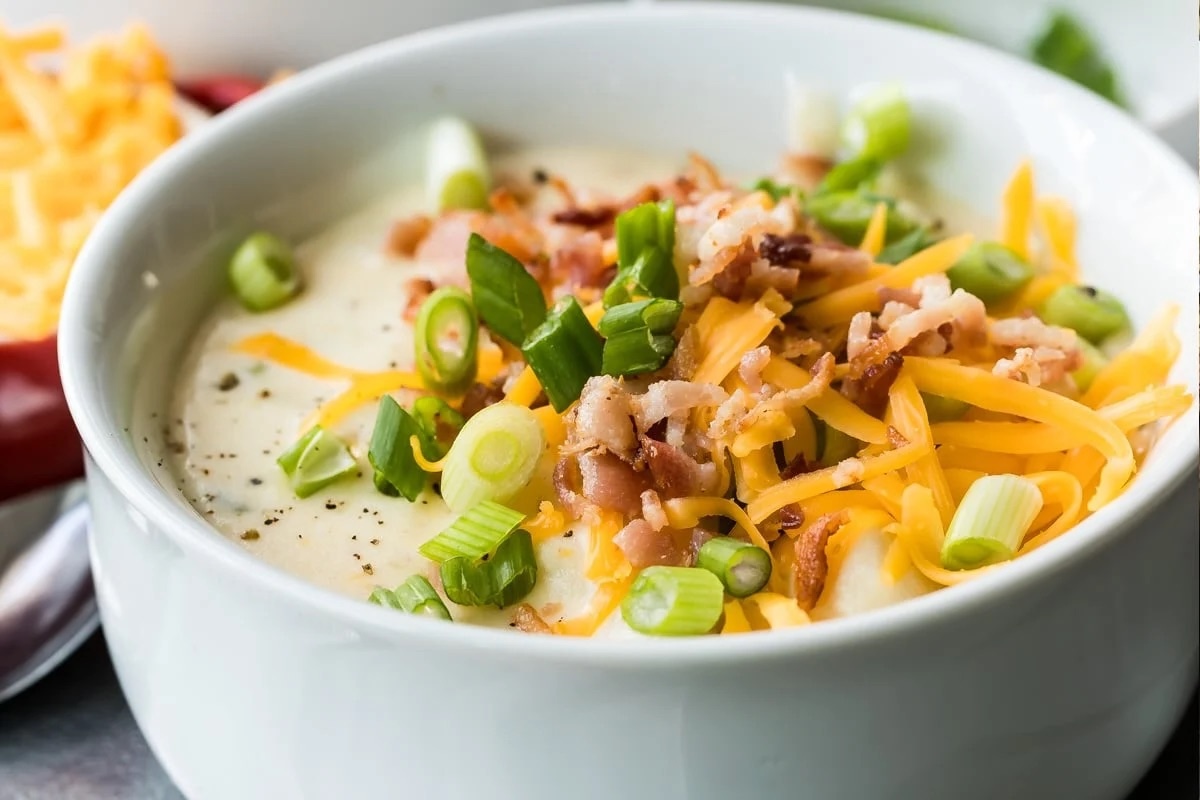
- Baked Potato Soup Recipe1 Hours
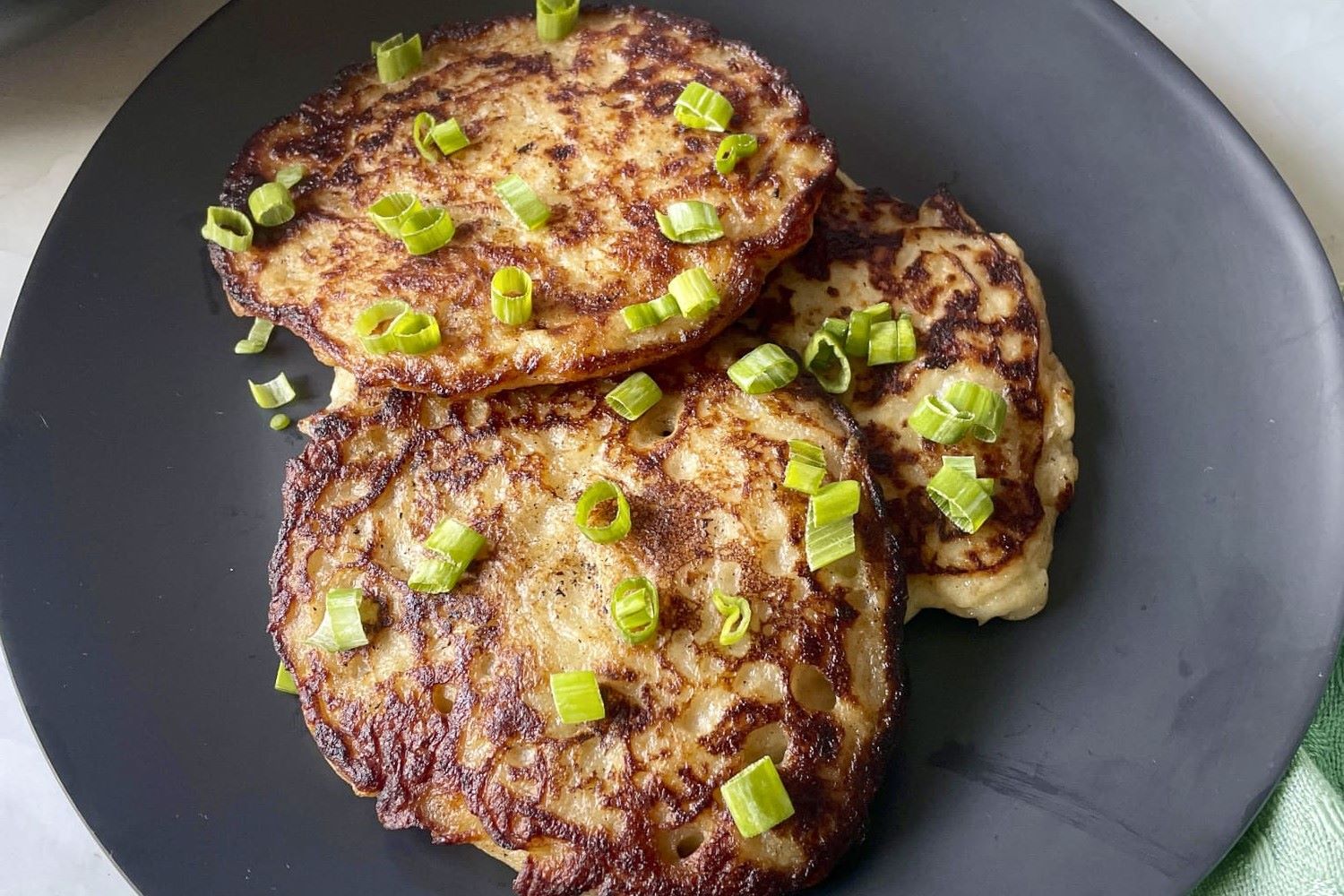
- Irish Boxty Recipe35 Minutes
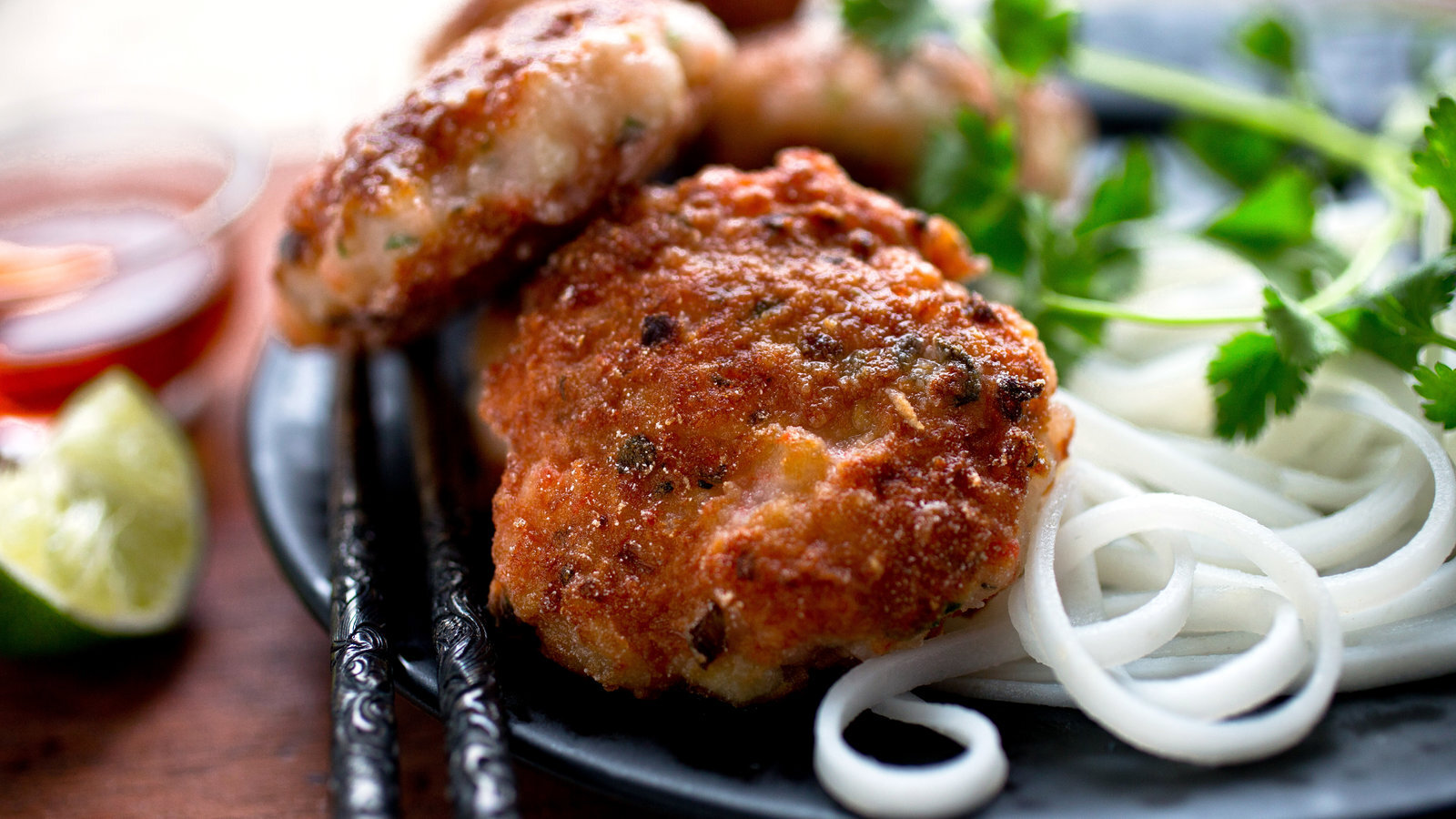
- Crab and Shrimp Cakes Recipe30 Minutes
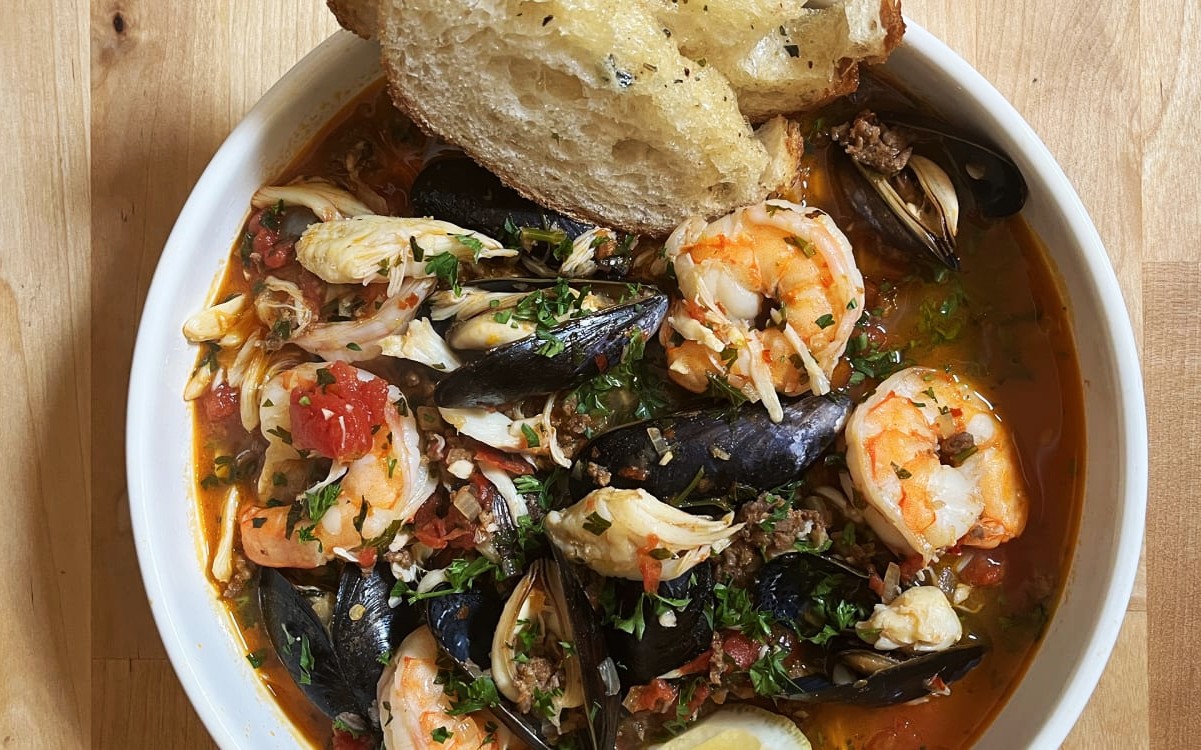
- Spicy Tomato Seafood and Chorizo Stew Recipe45 Minutes
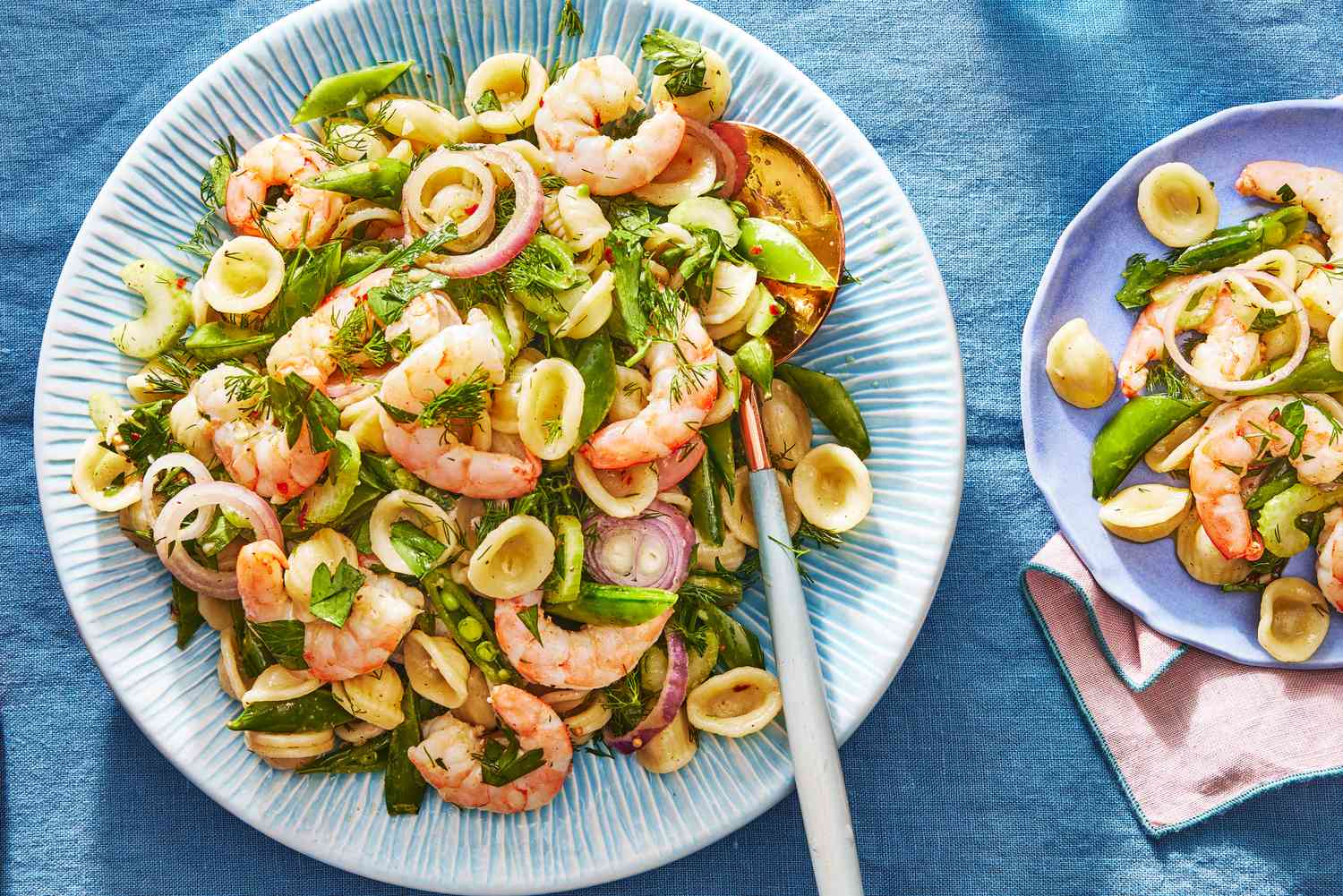
- Shrimp Pasta Salad Recipe25 Minutes
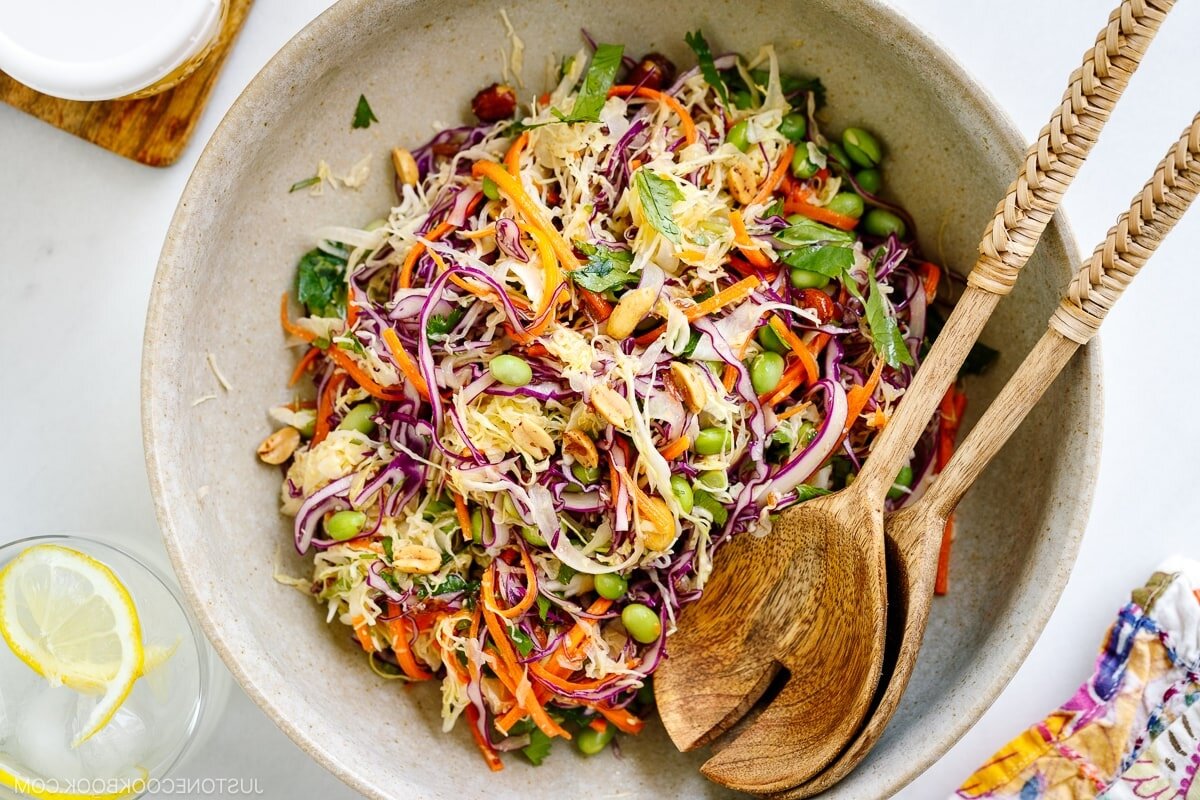
- Chinese Cabbage Salad Recipe15 Minutes



Leave a Reply