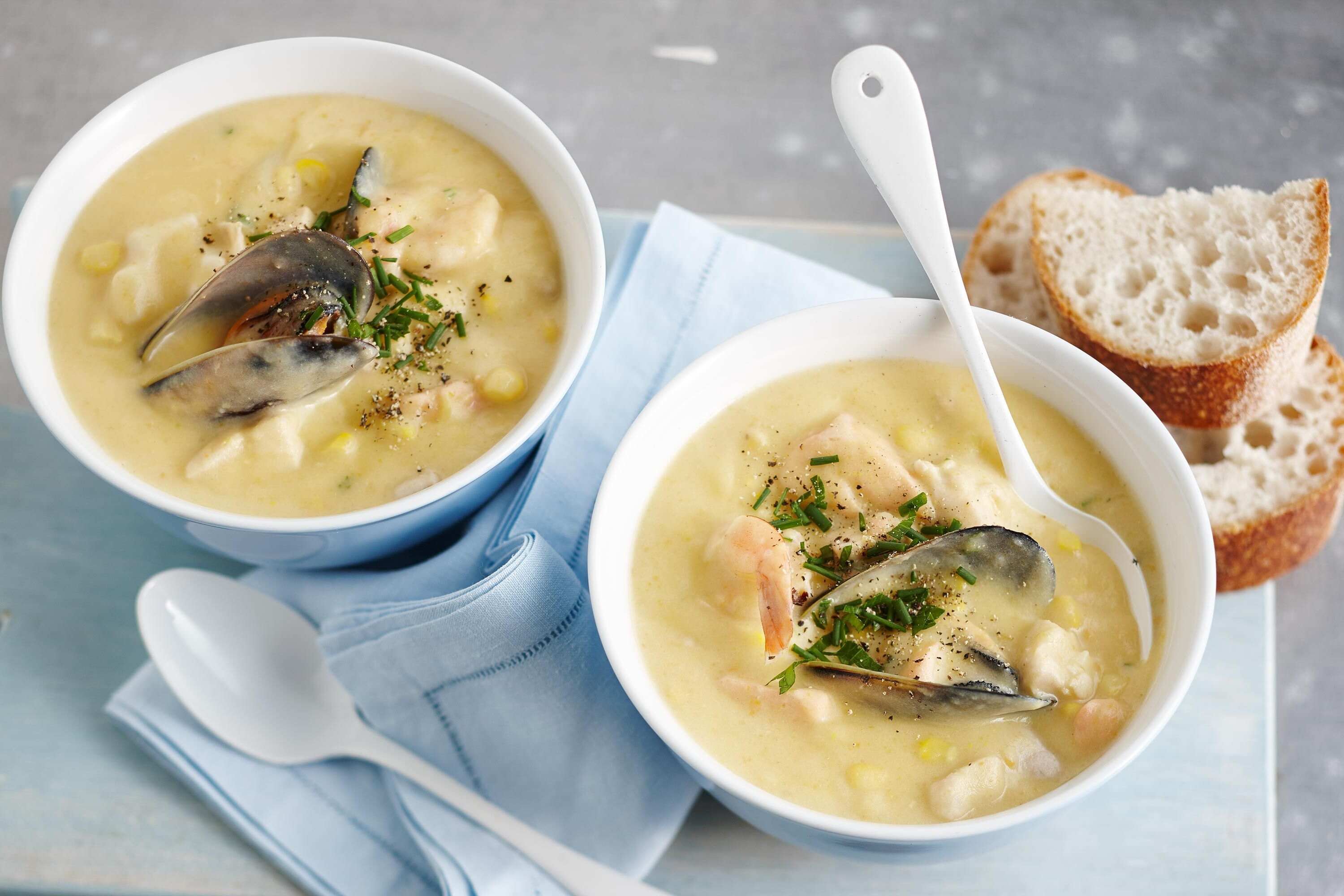
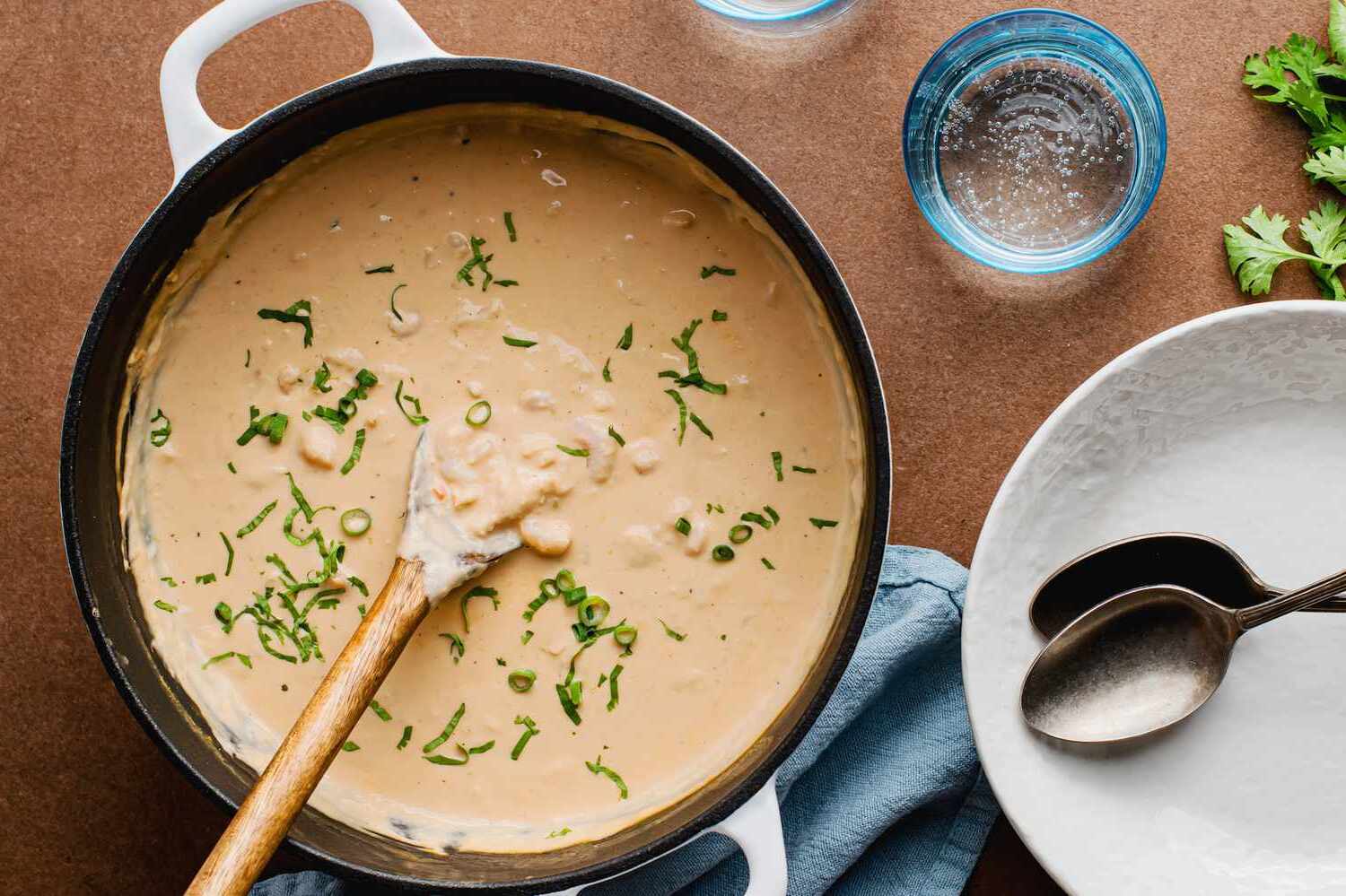
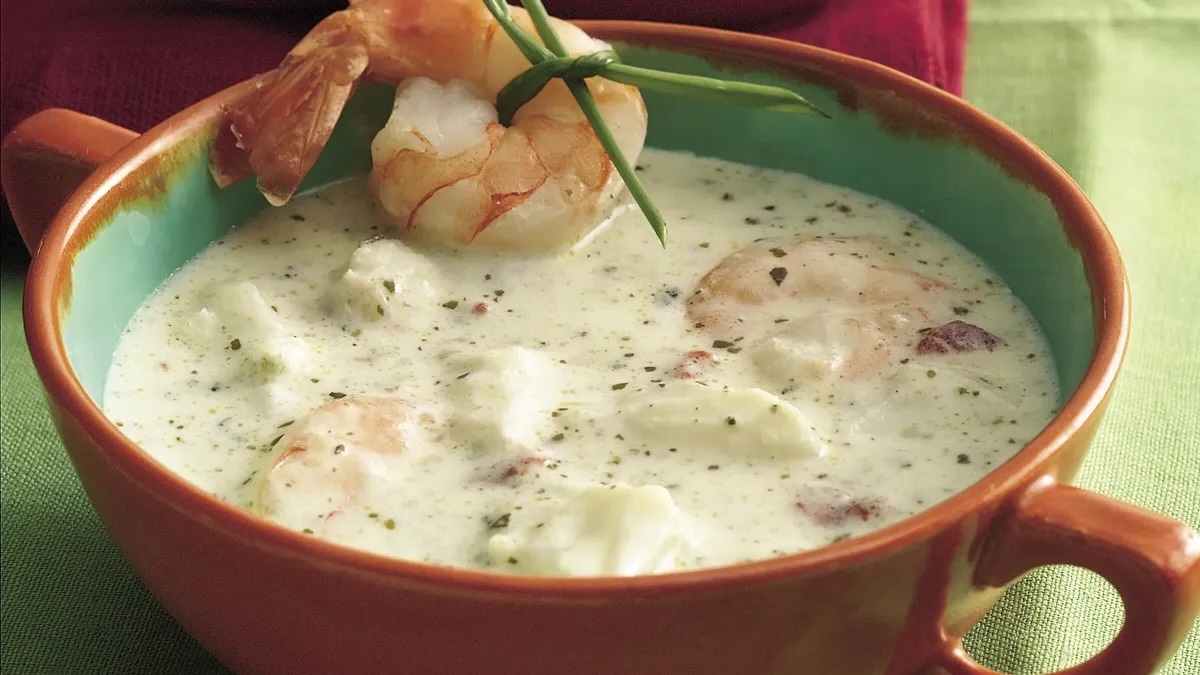
Dive into a bowl of comforting seafood chowder, a rich and creamy dish that brings the flavors of the ocean right to your table. This hearty chowder is perfect for a cozy dinner, combining tender seafood with creamy potatoes and aromatic herbs.
When preparing this seafood chowder, you might need to visit the supermarket for a few key ingredients. Fish stock is essential for the base of the chowder, providing a deep, savory flavor. Mixed seafood can include shrimp, clams, and fish, which might not be staples in your pantry. Fresh parsley adds a burst of color and freshness, so make sure to pick some up if you don't have it on hand.
Ingredients For Seafood Chowder Recipe
Butter: Adds richness and helps sauté the vegetables.
Onion: Provides a sweet and savory base flavor.
Garlic: Adds a fragrant and slightly spicy note.
Potatoes: Gives the chowder a hearty and creamy texture.
Fish stock: The liquid base that infuses the chowder with seafood flavor.
Heavy cream: Adds creaminess and richness to the chowder.
Mixed seafood: A combination of shrimp, clams, and fish for a variety of textures and flavors.
Salt: Enhances the overall flavor of the chowder.
Pepper: Adds a touch of heat and depth.
Parsley: Fresh herb that adds color and a hint of brightness.
Technique Tip for Making Chowder
When sautéing the onion and garlic, make sure to cook them until they are translucent but not browned. This will ensure they release their natural sweetness, enhancing the overall flavor of the chowder. Additionally, when adding the mixed seafood, be mindful not to overcook it. Seafood cooks quickly, and overcooking can result in a rubbery texture. Aim to add the seafood towards the end of the cooking process and monitor it closely.
Suggested Side Dishes
Alternative Ingredients
butter - Substitute with olive oil: Olive oil provides a similar fat content and can add a slightly different but pleasant flavor.
chopped onion - Substitute with leeks: Leeks offer a milder, sweeter taste that complements the chowder well.
garlic - Substitute with shallots: Shallots provide a subtle garlic and onion flavor, making them a good alternative.
diced potatoes - Substitute with cauliflower florets: Cauliflower can mimic the texture of potatoes while reducing the carbohydrate content.
fish stock - Substitute with vegetable broth: Vegetable broth can provide a similar base flavor, especially when enhanced with seaweed or kelp for a more oceanic taste.
heavy cream - Substitute with coconut milk: Coconut milk offers a creamy texture and a slight sweetness that pairs well with seafood.
mixed seafood (shrimp, clams, fish) - Substitute with tofu and seaweed: Tofu can mimic the texture of seafood, and seaweed adds a briny flavor.
salt - Substitute with soy sauce: Soy sauce can add a salty and umami flavor to the chowder.
pepper - Substitute with white pepper: White pepper provides a similar heat but with a slightly different flavor profile that can be more subtle.
chopped fresh parsley - Substitute with chopped fresh cilantro: Cilantro offers a fresh, citrusy flavor that can brighten up the chowder.
Alternative Recipes Similar to Chowder
How to Store or Freeze Your Chowder
Allow the seafood chowder to cool to room temperature before storing. This helps prevent condensation and keeps the chowder fresh.
Transfer the chowder into airtight containers. Use containers that are the right size to minimize air space, which can cause freezer burn.
Label the containers with the date and contents. This makes it easier to keep track of how long the chowder has been stored.
For short-term storage, place the containers in the refrigerator. The seafood chowder will keep well for up to 3 days.
For long-term storage, place the containers in the freezer. The chowder can be frozen for up to 3 months without losing its quality.
When ready to use, thaw the chowder in the refrigerator overnight. This slow thawing process helps maintain the texture and flavor.
Reheat the chowder gently on the stovetop over low to medium heat. Stir occasionally to ensure even heating and to prevent the cream from curdling.
Avoid reheating the chowder in the microwave, as this can cause uneven heating and may alter the texture of the seafood.
If the chowder appears too thick after reheating, add a splash of fish stock or heavy cream to reach the desired consistency.
Taste and adjust the seasoning with salt and pepper before serving. Freshen up the flavors with a sprinkle of chopped fresh parsley.
How to Reheat Leftovers
Gently reheat the seafood chowder on the stovetop over low heat. Stir occasionally to ensure even heating and prevent the cream from curdling. This method preserves the texture and flavor of the mixed seafood and potatoes.
Use a double boiler to reheat the chowder. Place the chowder in a heatproof bowl over a pot of simmering water. This indirect heat method helps maintain the creamy consistency without scorching the soup.
If using a microwave, transfer the chowder to a microwave-safe bowl. Cover it with a microwave-safe lid or plastic wrap with a small vent. Heat on medium power in 1-minute intervals, stirring in between, until the chowder is heated through.
Add a splash of fish stock or heavy cream while reheating to refresh the chowder and enhance its creamy texture. This is especially useful if the chowder has thickened too much in the fridge.
Avoid boiling the chowder during reheating, as this can cause the seafood to become rubbery and the cream to separate. Keep the heat gentle and consistent for the best results.
Essential Tools for Making Chowder
Large pot: Used to melt the butter, sauté the onions and garlic, and cook the chowder.
Wooden spoon: Ideal for stirring the ingredients as they cook.
Chef's knife: Essential for chopping the onion, mincing the garlic, and dicing the potatoes.
Cutting board: Provides a safe surface for chopping and dicing ingredients.
Measuring cups: Used to measure out the fish stock and heavy cream accurately.
Measuring spoons: Necessary for measuring the butter and chopped fresh parsley.
Ladle: Useful for serving the chowder into bowls.
Garlic press: Optional, but can be used to mince the garlic more efficiently.
Peeler: Handy for peeling the potatoes before dicing them.
Colander: Useful for rinsing the mixed seafood before adding it to the chowder.
How to Save Time on Making Chowder
Prep ingredients ahead: Chop the onion, garlic, and potatoes in advance to save time during cooking.
Use pre-cooked seafood: Opt for pre-cooked shrimp and clams to reduce cooking time.
Instant fish stock: Use store-bought fish stock instead of making it from scratch.
One-pot method: Cook everything in one pot to minimize cleanup and streamline the process.
Microwave potatoes: Pre-cook potatoes in the microwave for a few minutes to speed up the simmering process.
Seafood Chowder Recipe
Ingredients
Main Ingredients
- 2 tablespoon Butter
- 1 cup Chopped Onion
- 2 cloves Garlic, minced
- 2 cups Diced Potatoes
- 4 cups Fish Stock
- 1 cup Heavy Cream
- 1 lb Mixed Seafood (shrimp, clams, fish)
- to taste Salt and Pepper
- 2 tablespoon Chopped Fresh Parsley
Instructions
- 1. In a large pot, melt the butter over medium heat. Add the chopped onion and garlic, and sauté until softened.
- 2. Add the diced potatoes and fish stock. Bring to a boil, then reduce heat and simmer until potatoes are tender.
- 3. Stir in the heavy cream and mixed seafood. Cook until seafood is just cooked through.
- 4. Season with salt and pepper to taste. Garnish with chopped fresh parsley before serving.
Nutritional Value
Keywords
Suggested Appetizers and Desserts
More Amazing Recipes to Try 🙂
- Crabmeat Bisque Recipe45 Minutes
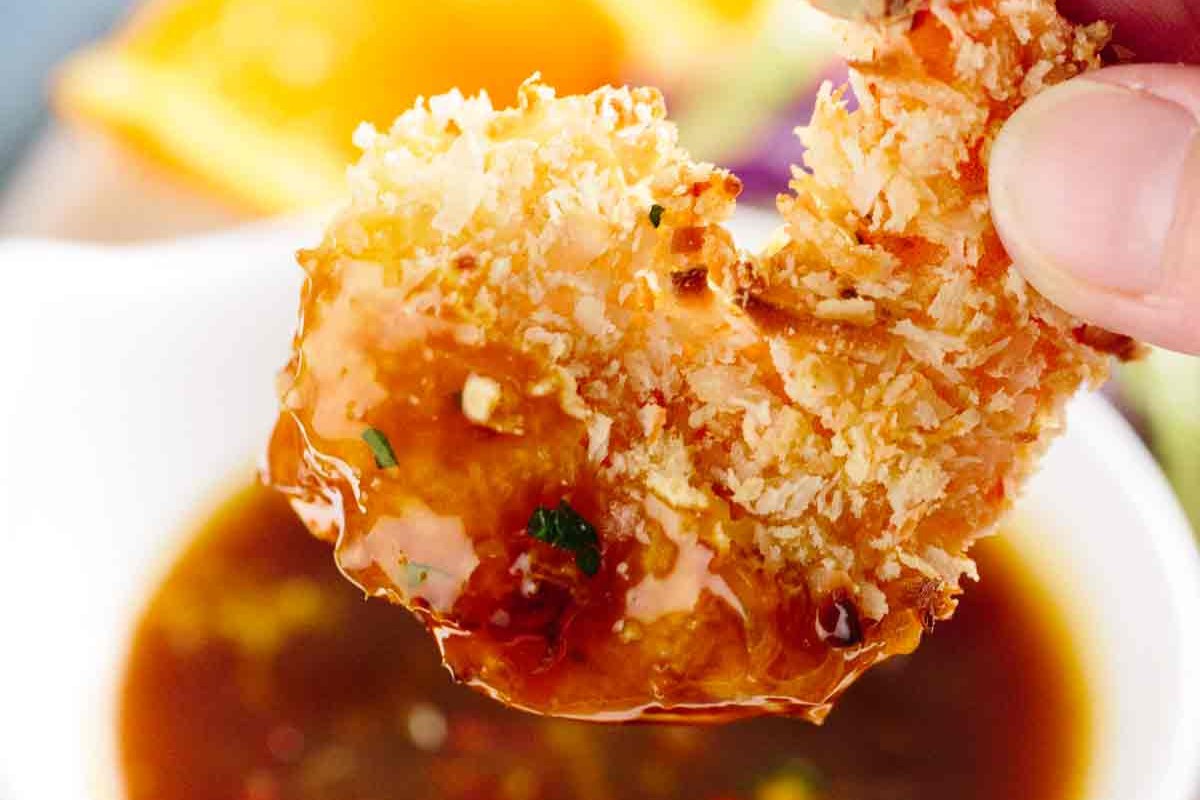
- Orange Dipping Sauce for Coconut Shrimp Recipe5 Minutes
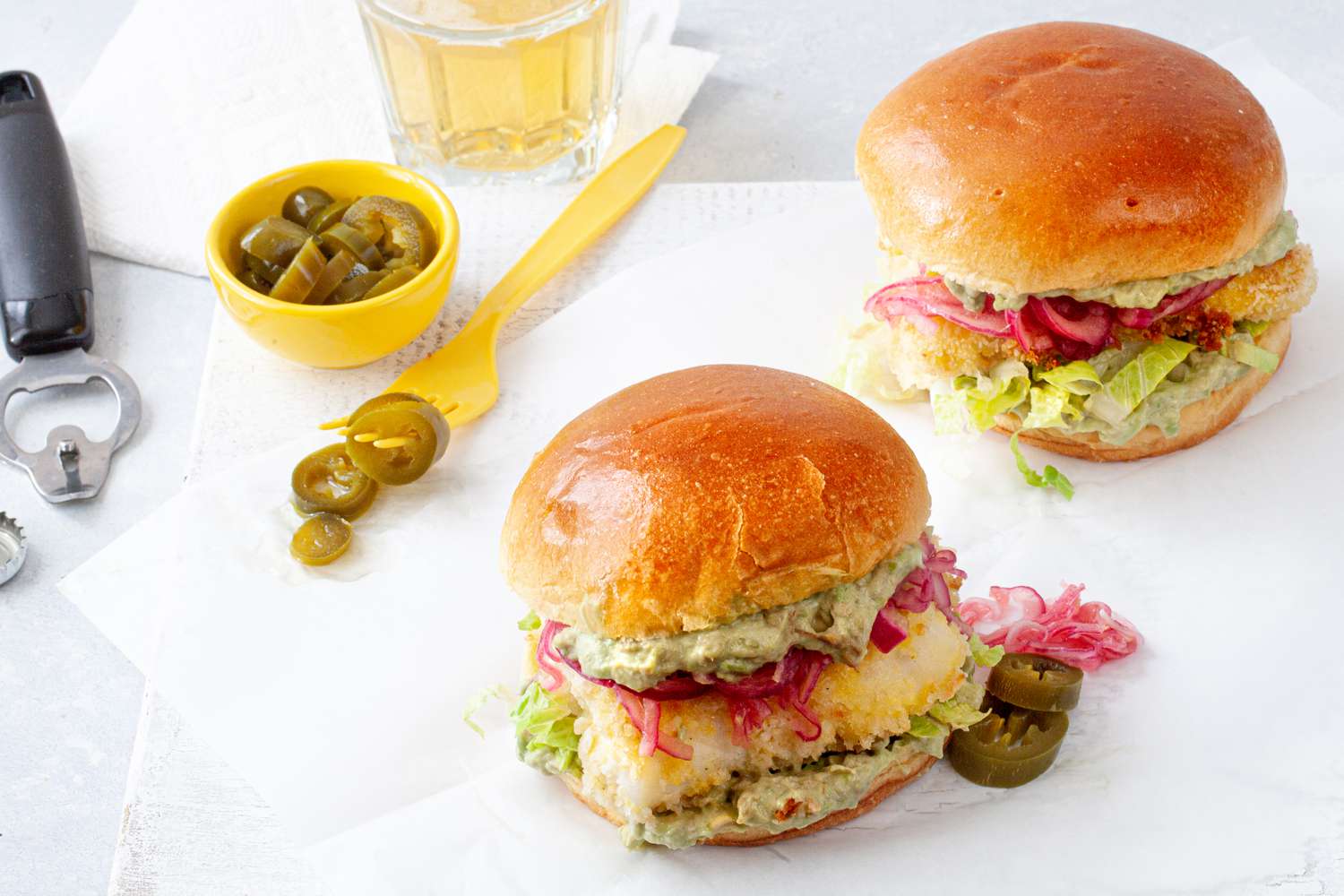
- Baked Fish Sandwiches Recipe30 Minutes
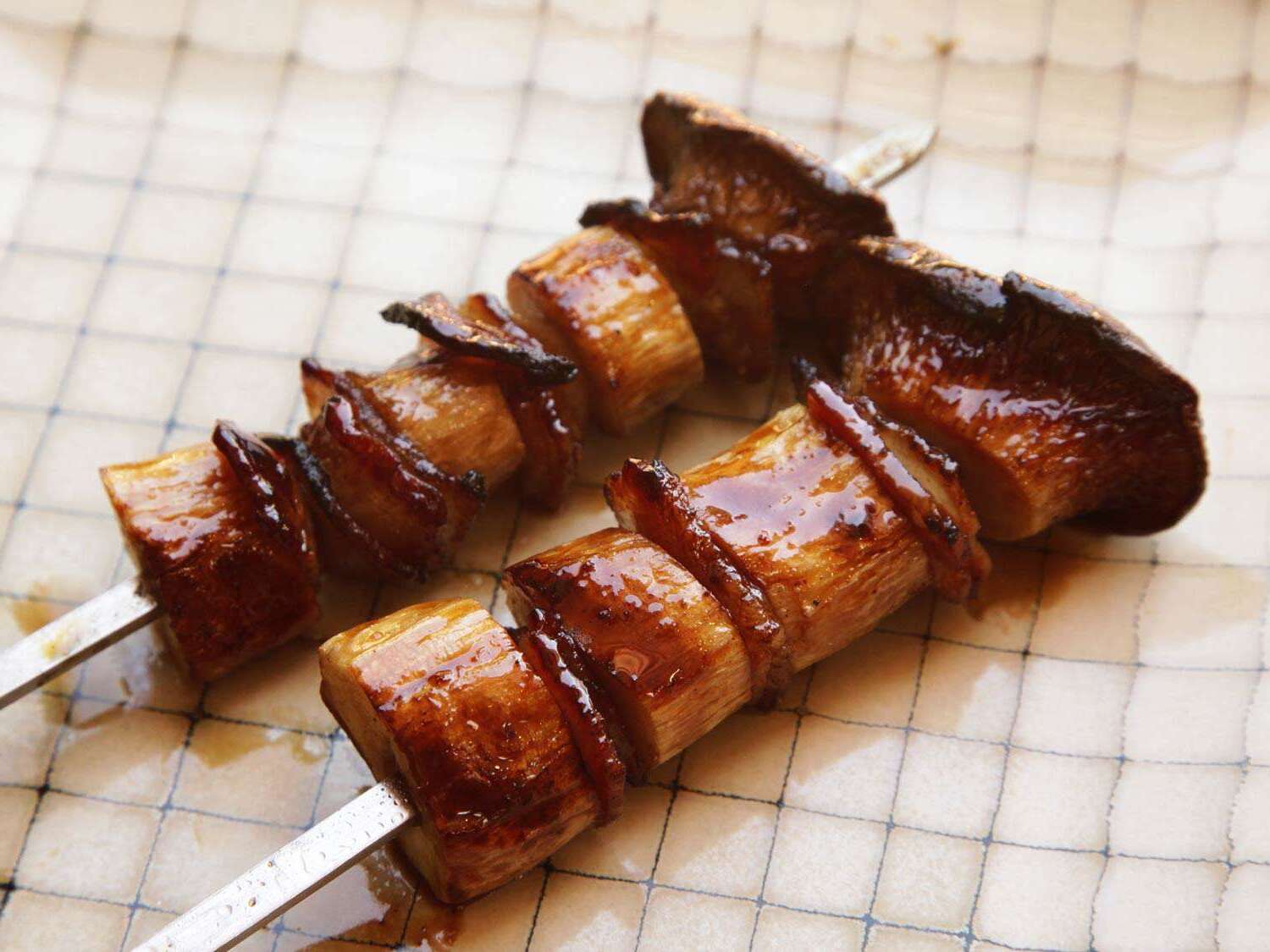
- Grilled Oyster Mushrooms Recipe25 Minutes
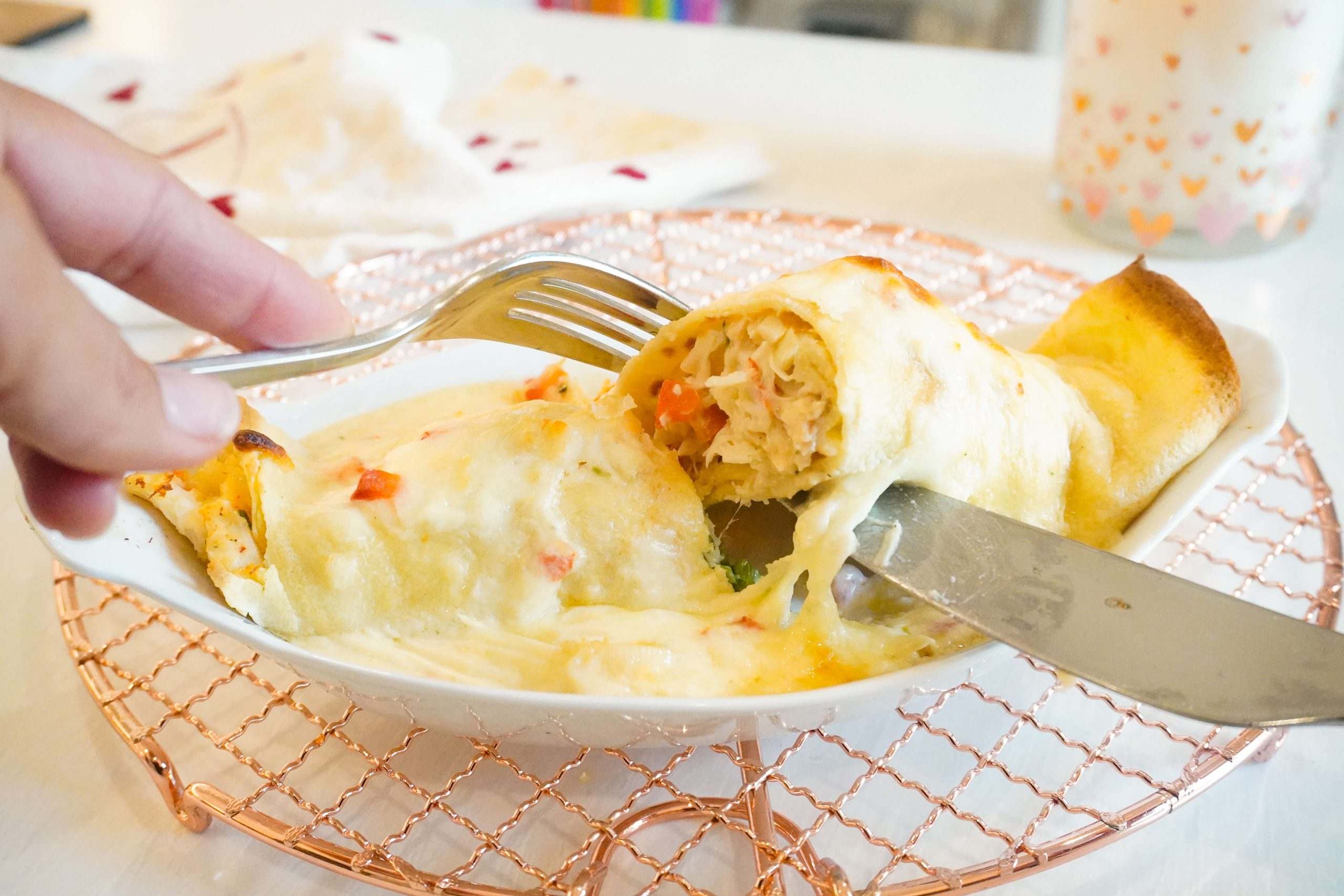
- Crab Crepes Recipe50 Minutes
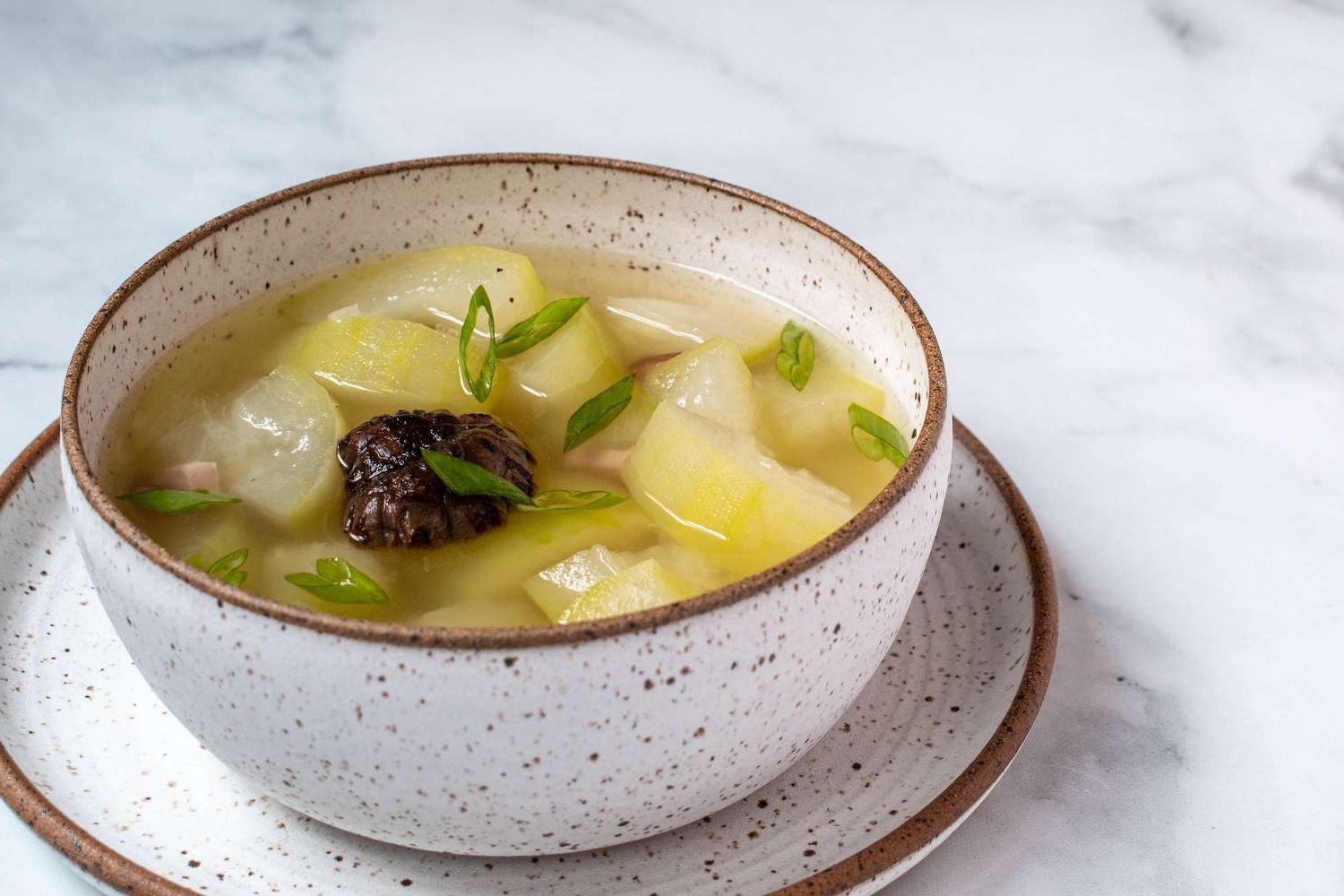
- Mushroom Shrimp and Winter Melon Soup Recipe45 Minutes
- BBQ Country Style Ribs Recipe2 Hours 15 Minutes
- Grilled King Crab Legs Recipe25 Minutes

Leave a Reply