
Creating your own sushi rolls at home can be a delightful and rewarding experience. This recipe will guide you through the process of making fresh and delicious sushi rolls, perfect for impressing your friends and family. With a few simple ingredients and some practice, you'll be rolling sushi like a pro in no time.
Some ingredients in this recipe might not be commonly found in every household. For instance, nori sheets, which are dried seaweed, and sushi rice, a short-grain rice specifically used for sushi, might require a trip to a specialty store or the international aisle of your supermarket. Fresh tuna or salmon for sushi should be purchased from a trusted source to ensure its quality and safety.
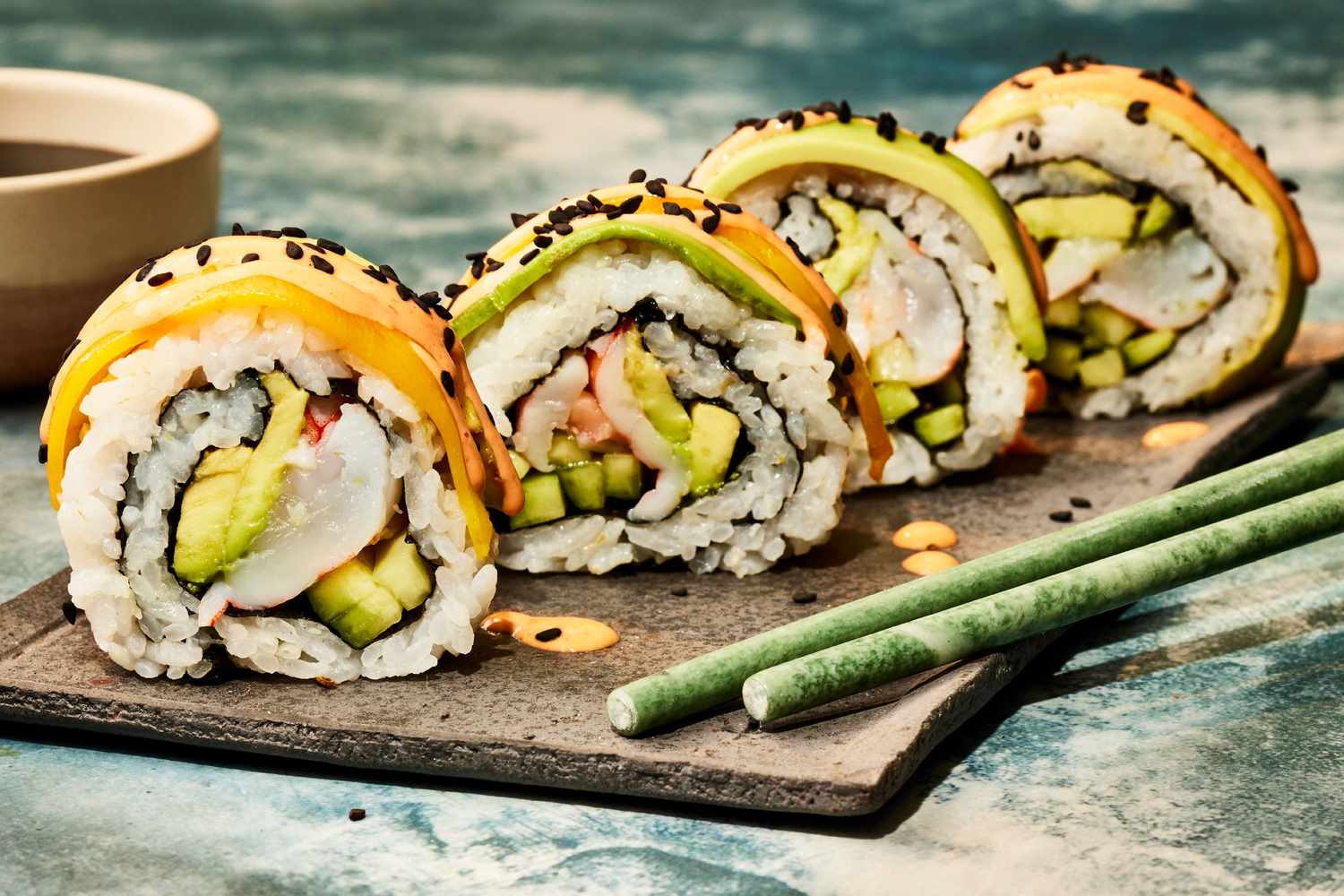
Ingredients For Sushi Roll Recipe
Sushi rice: A short-grain rice that becomes sticky when cooked, perfect for holding the sushi roll together.
Rice vinegar: Adds a tangy flavor to the rice and helps to season it.
Sugar: Balances the acidity of the rice vinegar and adds a slight sweetness.
Salt: Enhances the overall flavor of the sushi rice.
Nori: Dried seaweed sheets that hold the sushi roll together.
Cucumber: Adds a refreshing crunch to the sushi roll.
Avocado: Provides a creamy texture and rich flavor.
Tuna: Fresh fish that adds a savory and rich taste to the sushi roll.
Salmon: Another option for fresh fish, offering a slightly different flavor profile.
Technique Tip for Sushi Rolls
When spreading the sushi rice on the nori, keep your hands slightly damp to prevent the rice from sticking to your fingers. This will help you achieve an even layer without tearing the nori.
Suggested Side Dishes
Alternative Ingredients
sushi rice - Substitute with short-grain rice: Short-grain rice has a similar sticky texture that is essential for holding the sushi roll together.
rice vinegar - Substitute with apple cider vinegar: Apple cider vinegar has a mild flavor that can mimic the tanginess of rice vinegar when mixed with a bit of sugar.
sugar - Substitute with honey: Honey can provide the necessary sweetness, though it will add a slight floral note to the flavor.
salt - Substitute with soy sauce: Soy sauce adds saltiness and an umami flavor, which can enhance the overall taste of the sushi rice.
nori - Substitute with rice paper: Rice paper can be used as a wrap, especially if you prefer a milder flavor or are looking for a gluten-free option.
cucumber - Substitute with carrot sticks: Carrot sticks provide a similar crunch and can add a slightly sweet flavor to the sushi roll.
avocado - Substitute with cream cheese: Cream cheese offers a creamy texture and rich flavor that can complement the other ingredients in the roll.
tuna - Substitute with cooked shrimp: Cooked shrimp can provide a similar protein content and a mild seafood flavor, making it a good alternative for those who prefer cooked seafood.
salmon - Substitute with smoked salmon: Smoked salmon offers a rich, savory flavor and a similar texture, making it a suitable replacement for fresh salmon in sushi rolls.
Alternative Recipes Similar to Sushi
How to Store or Freeze Sushi Rolls
- To maintain the freshness of your sushi rolls, wrap each roll tightly in plastic wrap. This helps to prevent the rice from drying out and keeps the nori from becoming soggy.
- Place the wrapped sushi rolls in an airtight container. This extra layer of protection ensures that no air can get in, preserving the delicate flavors of the fish and vegetables.
- Store the container in the refrigerator if you plan to consume the sushi within 24 hours. This is the best way to keep the fish fresh and the rice at the perfect texture.
- For longer storage, consider freezing the sushi rolls. Place the wrapped rolls in a freezer-safe bag, removing as much air as possible before sealing. This method can extend the shelf life up to one week.
- When ready to eat, thaw the sushi rolls in the refrigerator for several hours or overnight. Avoid using a microwave as it can alter the texture of the rice and fish.
- Once thawed, consume the sushi immediately. The quality of the fish and vegetables can degrade quickly after thawing, so it's best to enjoy them as soon as possible.
- Always check the sushi for any off smells or changes in texture before consuming, especially if it has been stored for more than a day. Freshness is key to enjoying sushi safely and deliciously.
How to Reheat Leftovers
- Gently place the sushi rolls on a microwave-safe plate. Cover them with a damp paper towel to prevent drying out. Microwave on low power for 10-20 seconds, checking frequently to avoid overheating.
- For a more traditional approach, wrap the sushi rolls in plastic wrap and place them in a bamboo steamer. Steam for 2-3 minutes until they are slightly warm.
- If you prefer a crispy texture, lightly brush the sushi rolls with olive oil and place them in a preheated oven at 350°F (175°C) for about 5-7 minutes. Keep an eye on them to ensure they don't overcook.
- For an innovative twist, try pan-searing the sushi rolls. Heat a non-stick skillet over medium heat, add a small amount of sesame oil, and sear each side of the roll for 1-2 minutes until lightly browned and warmed through.
- If you have a sous-vide machine, vacuum-seal the sushi rolls and immerse them in a water bath set to 120°F (49°C) for about 15 minutes. This method ensures even reheating without compromising texture.
Essential Tools for Making Sushi
Bamboo mat: essential for rolling the sushi tightly and evenly, ensuring a well-formed roll
Sharp knife: crucial for slicing the sushi roll into bite-sized pieces without squishing or tearing
Rice cooker: ideal for cooking sushi rice to the perfect consistency, though you can also use a pot
Mixing bowl: used for combining the cooked rice with the vinegar mixture
Small bowl: for mixing the rice vinegar, sugar, and salt until dissolved
Cutting board: provides a stable surface for slicing the cucumber, avocado, and fish
Plastic wrap: can be used to cover the bamboo mat to prevent sticking
Wooden spoon: helpful for mixing the rice with the vinegar mixture without crushing the grains
Measuring cups: ensures accurate measurement of rice and vinegar mixture ingredients
Measuring spoons: for precise measurement of sugar and salt
How to Save Time on Making Sushi
Prepare ingredients in advance: Slice the cucumber, avocado, and fish ahead of time to streamline the rolling process.
Use a rice cooker: A rice cooker ensures perfectly cooked sushi rice with minimal effort.
Pre-mix seasoning: Combine rice vinegar, sugar, and salt beforehand to quickly season the rice.
Keep tools ready: Have your bamboo mat, sharp knife, and a bowl of water ready to speed up the rolling and slicing.
Sushi Roll Recipe
Ingredients
Sushi Ingredients
- 2 cups Sushi rice cooked and cooled
- 3 tablespoon Rice vinegar
- 1 tablespoon Sugar
- 1 teaspoon Salt
- 4 sheets Nori
- 1 unit Cucumber cut into strips
- 1 unit Avocado sliced
- 200 grams Fresh fish like tuna or salmon, sliced
Instructions
- 1. Rinse the sushi rice under cold water until the water runs clear.
- 2. Cook the rice according to the package instructions. Once cooked, let it cool slightly.
- 3. In a small bowl, mix the rice vinegar, sugar, and salt until dissolved. Pour over the cooked rice and mix well.
- 4. Place a sheet of nori on the bamboo mat, shiny side down. Spread a thin layer of rice over the nori, leaving a 1-inch border at the top.
- 5. Arrange the cucumber, avocado, and fish slices in a line along the bottom edge of the rice.
- 6. Using the bamboo mat, roll the sushi tightly from the bottom, pressing gently to shape the roll.
- 7. Slice the roll into bite-sized pieces with a sharp knife. Repeat with remaining ingredients.
Nutritional Value
Keywords
Suggested Appetizers and Desserts
More Amazing Recipes to Try 🙂
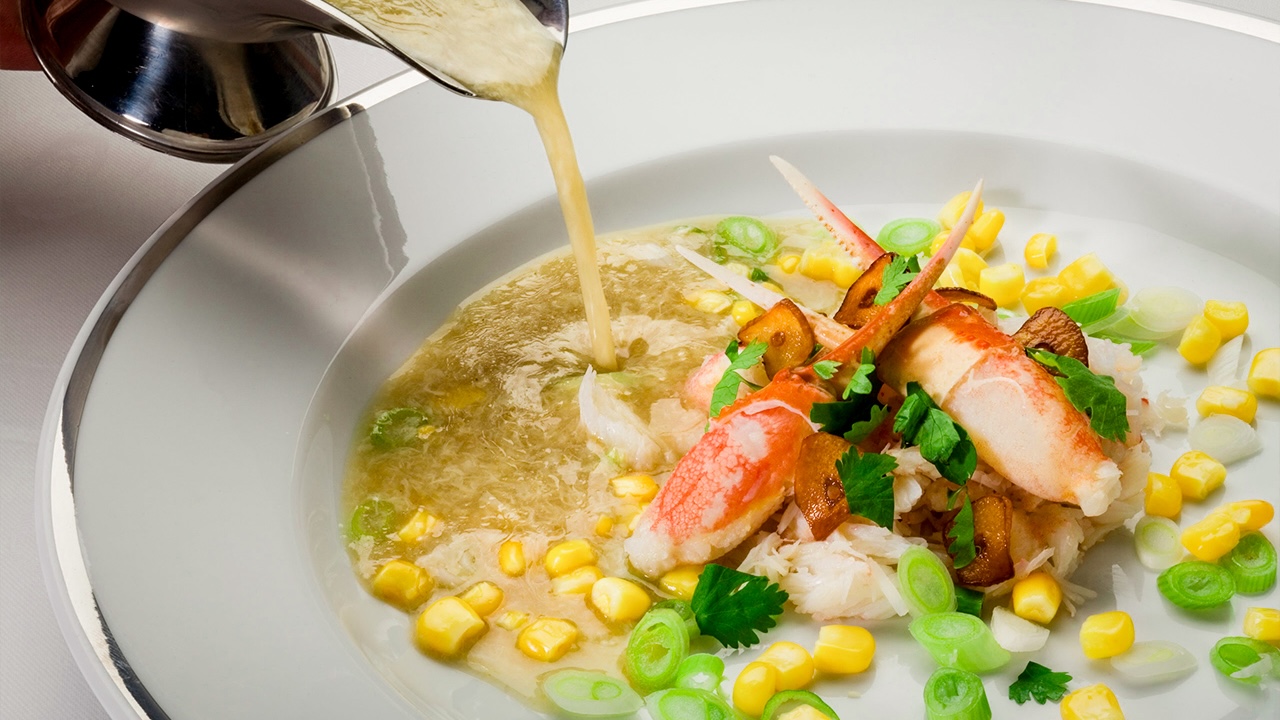
- Crabmeat and Corn Soup Recipe30 Minutes
- Slow Cooker Scalloped Potatoes with Ham Recipe4 Hours 20 Minutes
- Shrimp Po' Boys Recipe25 Minutes
- Chupe Peruvian Shrimp Chowder Recipe1 Hours
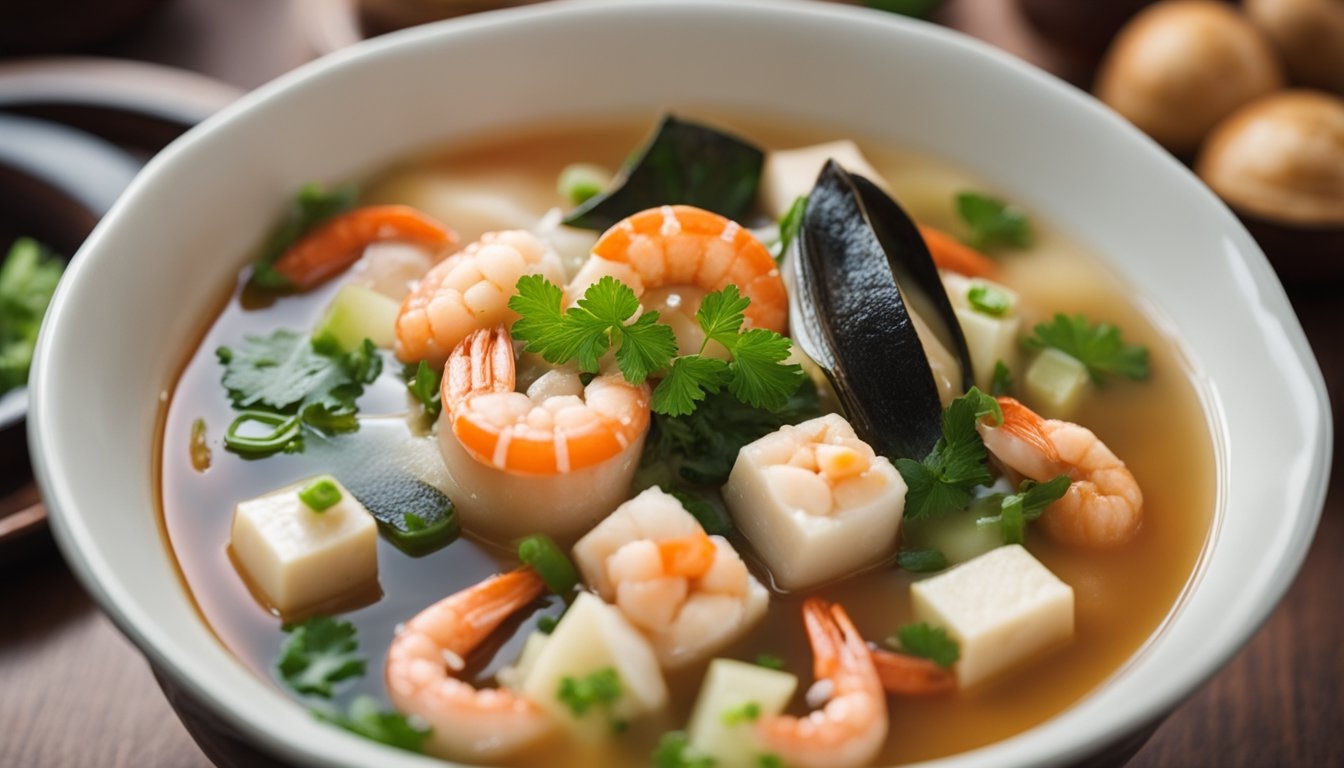
- Chinese Shrimp and Tofu Soup Recipe35 Minutes
- Crab Cakes with Green Onions Recipe30 Minutes
- Crab Tortellini Recipe40 Minutes
- Crab Salad Recipe15 Minutes









Leave a Reply