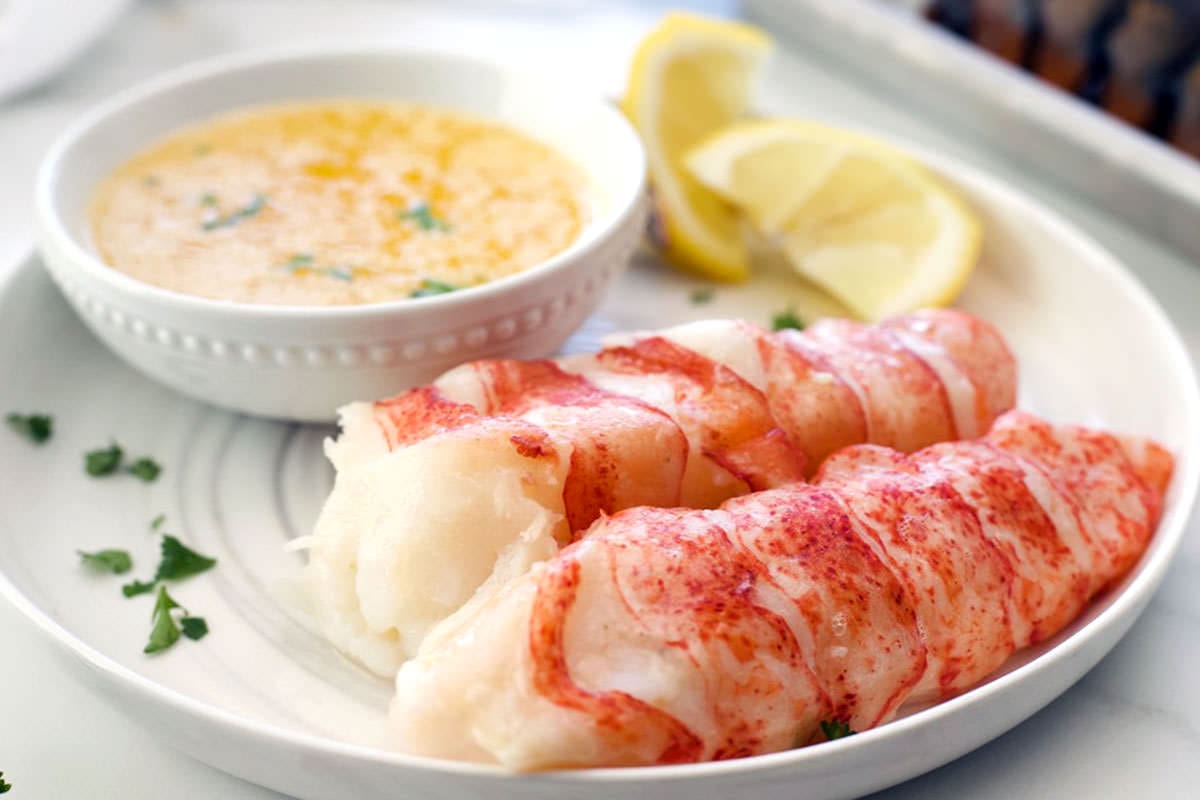
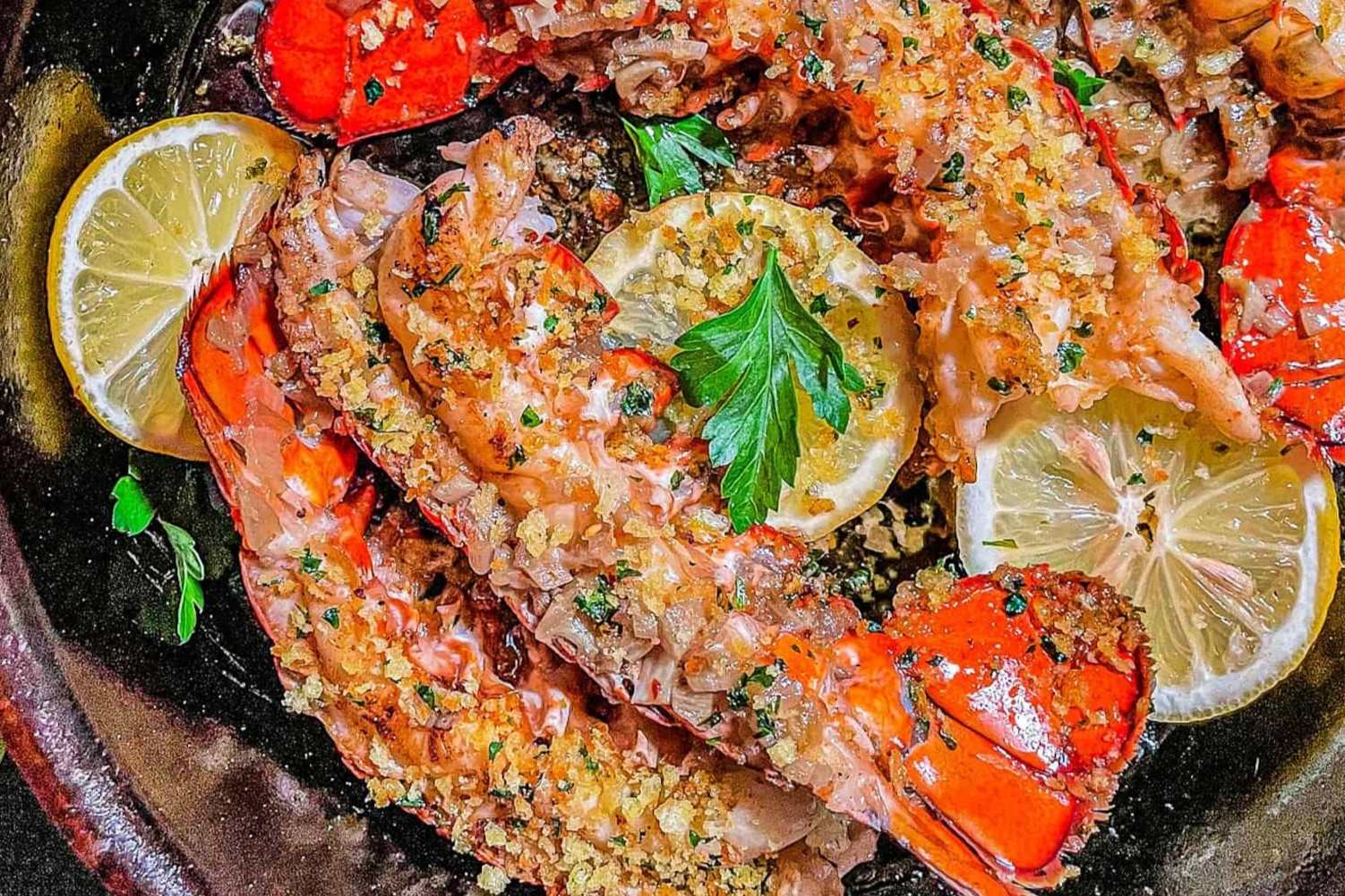
Indulge in the luxurious flavors of sous vide butter poached lobster tails, a dish that promises to elevate your dining experience. This method ensures perfectly cooked, tender lobster tails infused with the rich taste of butter and garlic.
Lobster tails might not be a common item in every household, but they are the star of this dish. When visiting the supermarket, look for fresh or thawed lobster tails in the seafood section. Unsalted butter and garlic are pantry staples, but make sure you have enough butter for poaching.
Ingredients For Sous Vide Butter Poached Lobster Tails
Lobster tails: The main ingredient, providing a sweet and delicate flavor. Look for fresh or thawed options in the seafood section.
Unsalted butter: Used for poaching, it adds a rich and creamy texture to the lobster tails.
Garlic: Minced garlic infuses the butter with a savory aroma and enhances the overall flavor of the dish.
Salt: Enhances the natural flavors of the lobster and balances the richness of the butter.
Black pepper: Freshly ground black pepper adds a subtle heat and depth to the dish.
Technique Tip for Perfect Lobster Tails
When preparing lobster tails for sous vide cooking, it's crucial to ensure an even distribution of butter and garlic within the vacuum-seal bag. This can be achieved by placing small pats of butter and evenly spreading the minced garlic around the lobster tails before sealing. This technique ensures that the lobster absorbs the flavors uniformly, resulting in a more consistent and flavorful dish.
Suggested Side Dishes
Alternative Ingredients
Lobster tails - Substitute with shrimp: Shrimp has a similar texture and flavor profile to lobster, making it a suitable alternative for this dish.
Lobster tails - Substitute with crab meat: Crab meat offers a sweet and delicate flavor that can mimic the taste of lobster in a poached preparation.
Unsalted butter - Substitute with clarified butter: Clarified butter has a higher smoke point and a richer flavor, which can enhance the poaching process.
Unsalted butter - Substitute with olive oil: Olive oil provides a different but complementary flavor and is a healthier fat option for poaching.
Minced garlic - Substitute with shallots: Shallots offer a milder, sweeter flavor that can add depth to the dish without overpowering the seafood.
Minced garlic - Substitute with garlic powder: Garlic powder can be used in a pinch to provide a similar flavor, though it won't have the same fresh taste.
Salt - Substitute with sea salt: Sea salt can provide a more nuanced flavor and is often preferred for its mineral content.
Salt - Substitute with kosher salt: Kosher salt has larger, coarser grains that can enhance the texture and flavor of the dish.
Freshly ground black pepper - Substitute with white pepper: White pepper has a milder taste and can blend more seamlessly into the dish without altering its appearance.
Freshly ground black pepper - Substitute with cayenne pepper: Cayenne pepper can add a bit of heat and complexity to the dish, offering a different but enjoyable flavor profile.
Alternative Recipes Similar to This One
How to Store or Freeze Your Lobster Tails
- Allow the lobster tails to cool down to room temperature after cooking. This helps to prevent condensation inside the storage container, which can affect the texture and flavor.
- Once cooled, transfer the lobster tails to an airtight container or a resealable plastic bag. If using a plastic bag, try to remove as much air as possible to maintain freshness.
- Store the lobster tails in the refrigerator if you plan to consume them within 2-3 days. Ensure the container is properly sealed to prevent any cross-contamination with other foods.
- For longer storage, place the lobster tails in a vacuum-seal bag and seal it tightly. This method is ideal for freezing as it minimizes freezer burn and preserves the lobster's delicate texture.
- Label the bag with the date of storage to keep track of its freshness. Frozen lobster tails can be stored for up to 3 months without significant loss of quality.
- When ready to use, thaw the lobster tails in the refrigerator overnight. Avoid thawing at room temperature to maintain food safety.
- Reheat the lobster tails gently by placing them in a sous vide water bath set to 140°F (60°C) for about 20-30 minutes. This ensures they are warmed through without overcooking.
- Serve the reheated lobster tails with the reserved melted butter from the original cooking process, or prepare a fresh batch of garlic butter for an extra burst of flavor.
How to Reheat Leftovers
Preheat your sous vide water bath to 140°F (60°C) again. Place the leftover lobster tails in a vacuum-seal bag or a resealable plastic bag using the water displacement method. Submerge the bag in the water bath and reheat for about 20-30 minutes until warmed through.
If you prefer using the oven, preheat it to 350°F (175°C). Place the lobster tails in an oven-safe dish and cover with aluminum foil to retain moisture. Reheat for about 10-15 minutes, checking frequently to avoid overcooking.
For a quicker method, use a steamer basket. Bring a pot of water to a gentle simmer and place the lobster tails in the steamer basket. Cover and steam for about 5-7 minutes until heated through.
You can also reheat in a microwave, though this method is less ideal. Place the lobster tails in a microwave-safe dish, cover with a damp paper towel, and heat on medium power in 30-second intervals until warmed through. Be cautious to avoid overcooking.
For a stovetop method, melt some butter in a skillet over low heat. Add the lobster tails and gently reheat, basting with the melted butter, for about 5-7 minutes. This method helps retain the buttery flavor and moisture.
Best Tools for Perfect Sous Vide Lobster Tails
Sous vide immersion circulator: This device is essential for maintaining the water bath at a precise temperature, ensuring the lobster tails are cooked evenly.
Vacuum sealer: Used to seal the lobster tails, butter, and garlic in a vacuum-seal bag, which helps in retaining flavors and moisture during cooking.
Vacuum-seal bags: These bags are necessary for sealing the ingredients together and ensuring they are submerged properly in the water bath.
Large pot or container: This will hold the water for the sous vide bath. It needs to be large enough to accommodate the immersion circulator and the vacuum-seal bags.
Tongs: Useful for safely removing the vacuum-seal bags from the hot water bath after cooking.
Cutting board: Provides a stable surface for preparing the lobster tails and mincing the garlic.
Chef's knife: Essential for cutting and preparing the lobster tails and mincing the garlic.
Measuring cups: Used to measure the butter accurately.
Measuring spoons: Used to measure the salt and pepper accurately.
How to Save Time on Making This Recipe
Preheat in advance: Start preheating your sous vide water bath while you prepare the lobster tails to save time.
Use pre-minced garlic: Opt for pre-minced garlic to cut down on prep time.
Butter portions: Measure and portion out the butter ahead of time to streamline the process.
Vacuum-seal bags: Have your vacuum-seal bags ready and labeled to quickly pack the ingredients.
Serve with sides: Prepare simple sides like salad or bread while the lobster cooks to make a complete meal.
Sous Vide Butter Poached Lobster Tails Recipe
Ingredients
Main Ingredients
- 2 pieces Lobster Tails fresh or thawed
- 1 cup Butter unsalted
- 2 cloves Garlic minced
- 1 teaspoon Salt
- 1 teaspoon Black Pepper freshly ground
Instructions
- 1. Preheat your sous vide water bath to 140°F (60°C).
- 2. Season the lobster tails with salt and pepper.
- 3. Place the lobster tails, butter, and minced garlic into a vacuum-seal bag and seal it.
- 4. Submerge the bag in the preheated water bath and cook for 1 hour.
- 5. Remove the lobster tails from the bag and serve immediately with the melted butter from the bag.
Nutritional Value
Keywords
Suggested Appetizers and Desserts for This Recipe
More Amazing Recipes to Try 🙂
- Spicy Shrimp and Sweet Potato Soup Recipe45 Minutes
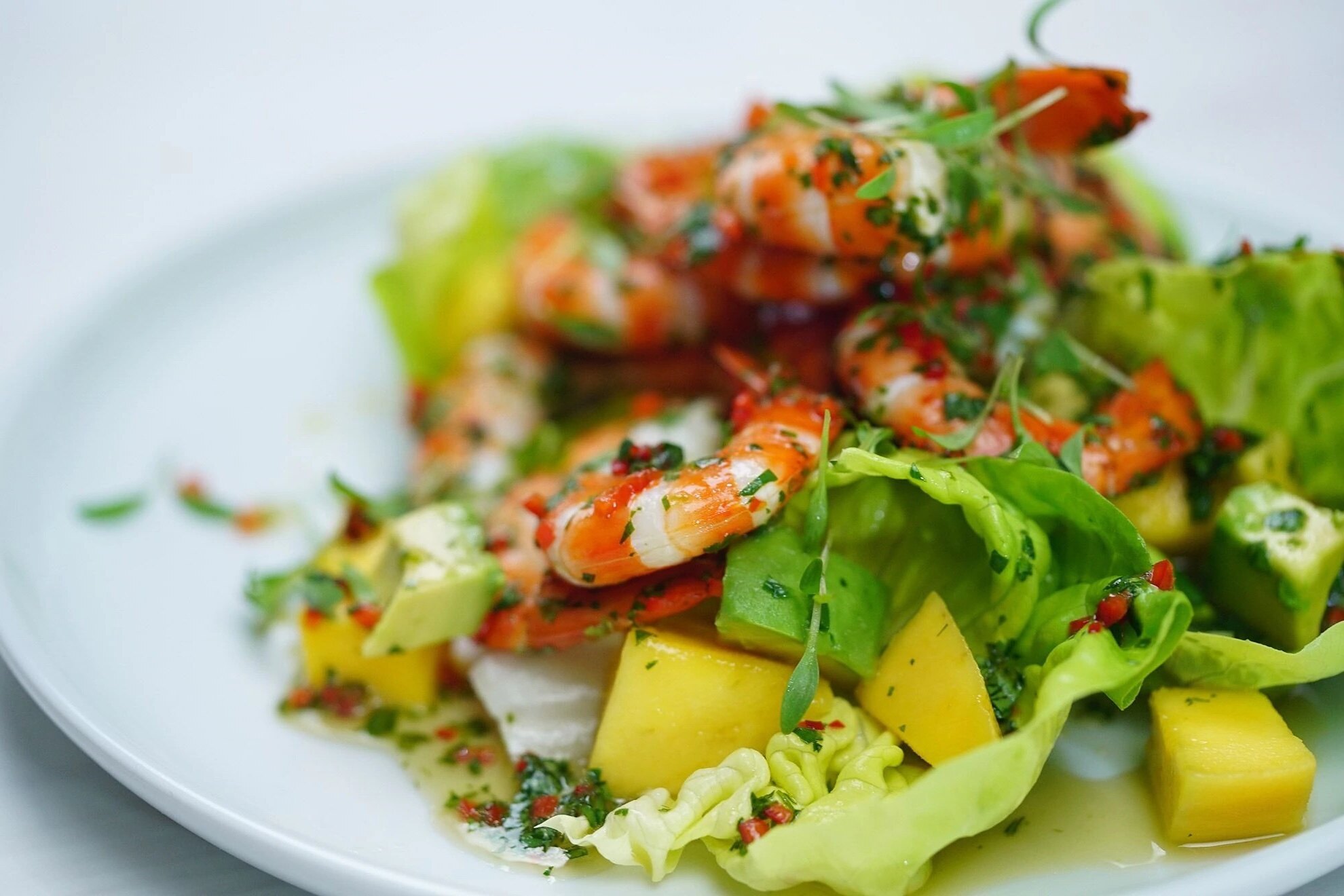
- Thai Mango Prawn Salad Recipe20 Minutes
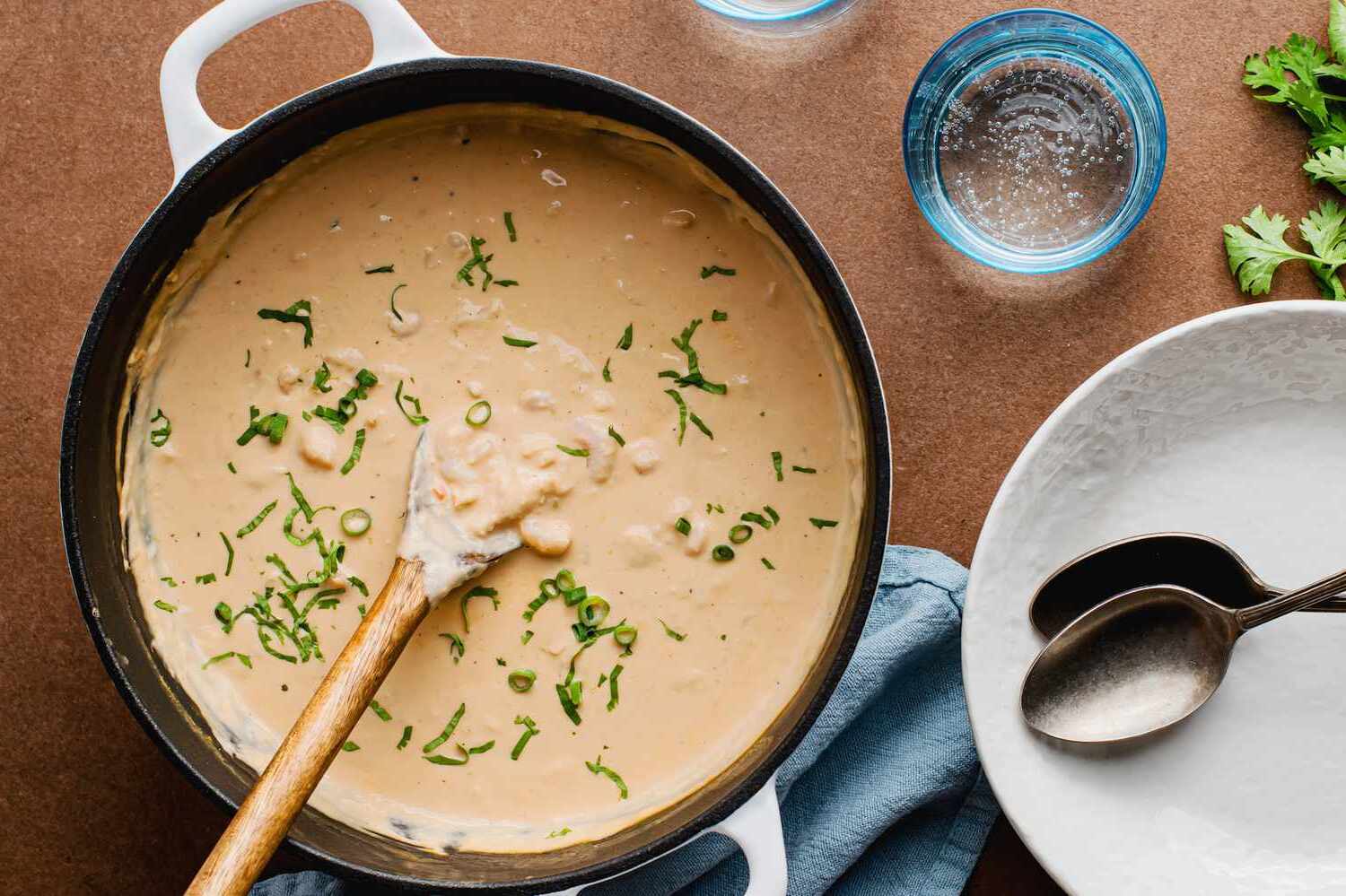
- Crabmeat Bisque Recipe45 Minutes
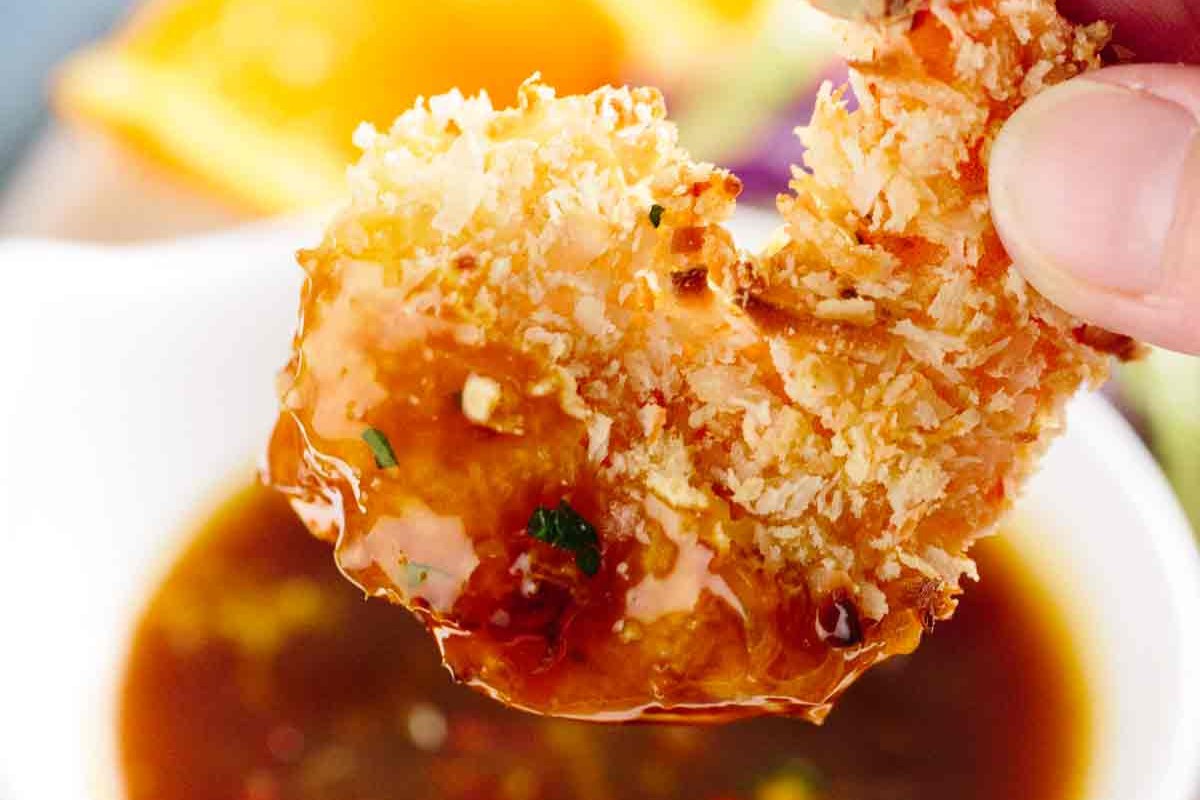
- Orange Dipping Sauce for Coconut Shrimp Recipe5 Minutes
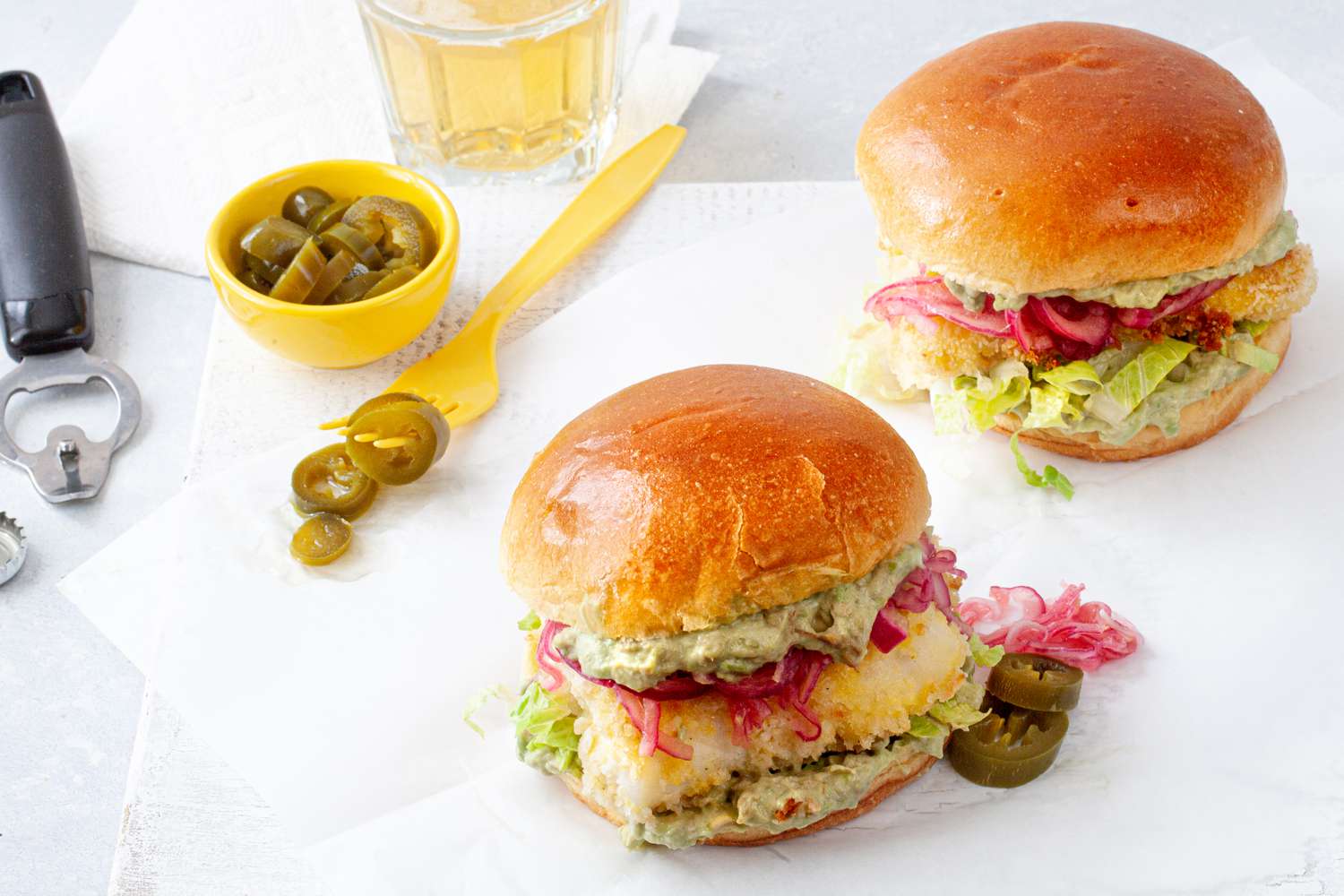
- Baked Fish Sandwiches Recipe30 Minutes
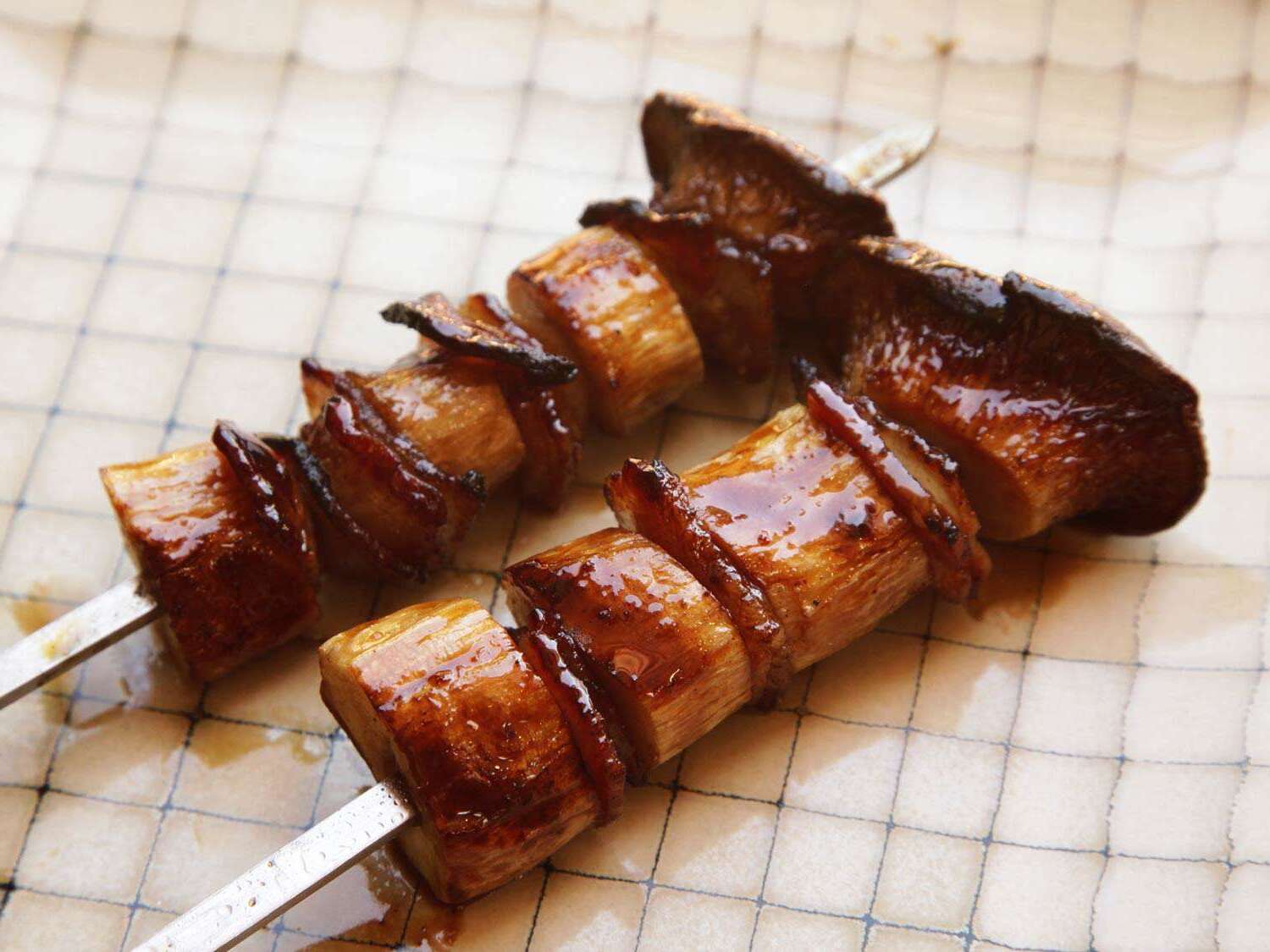
- Grilled Oyster Mushrooms Recipe25 Minutes
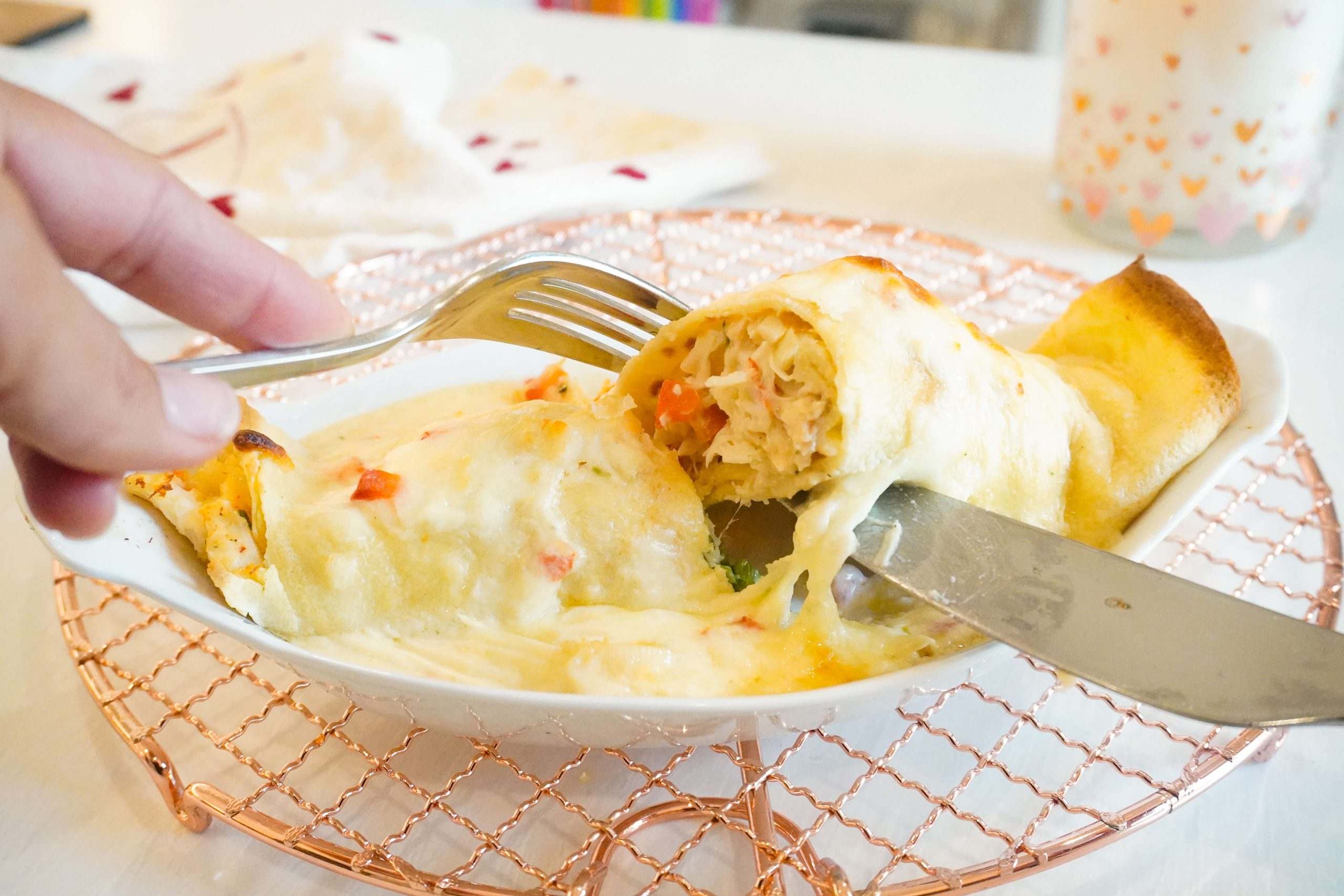
- Crab Crepes Recipe50 Minutes
- Mushroom Shrimp and Winter Melon Soup Recipe45 Minutes

Leave a Reply