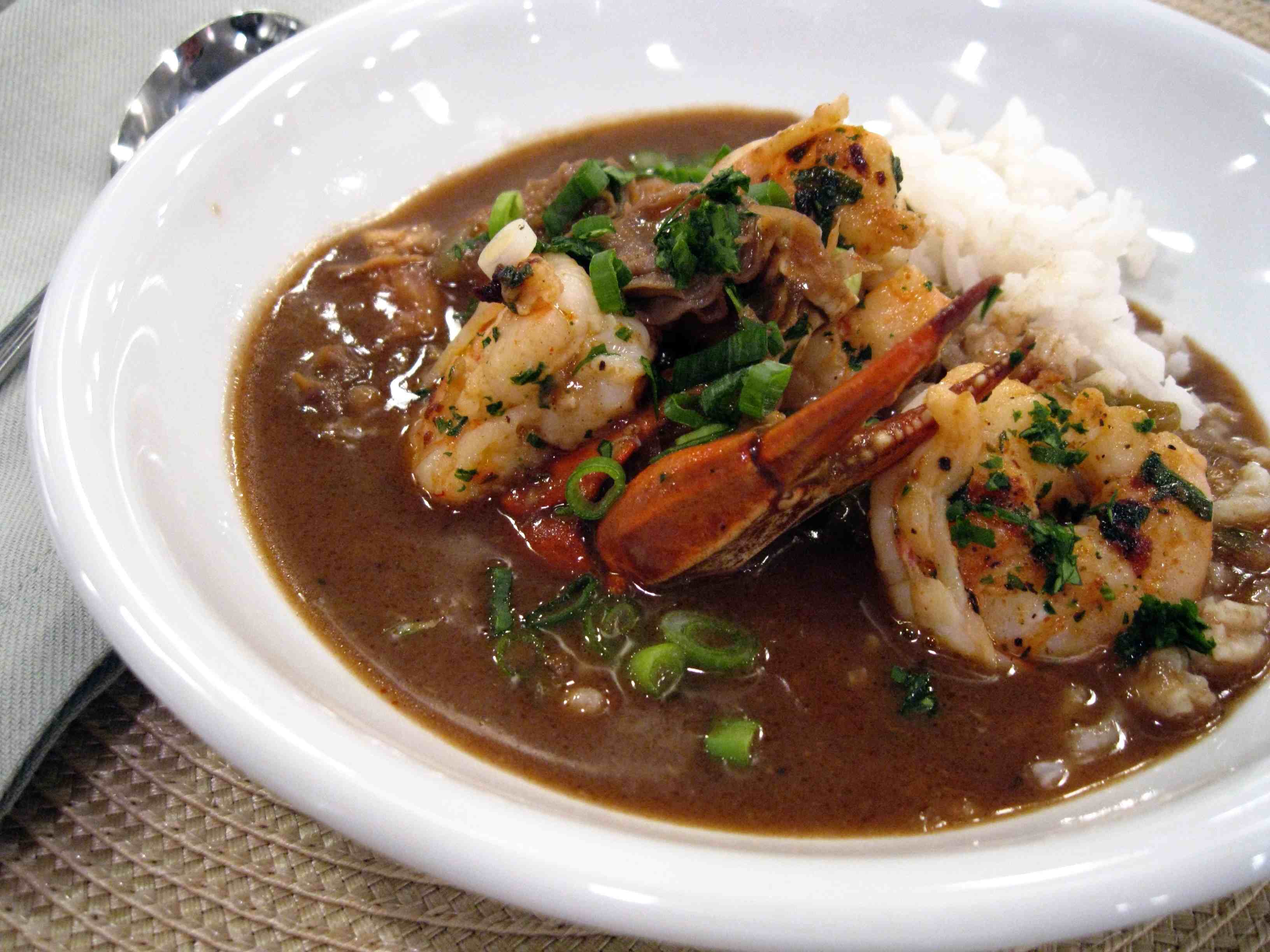
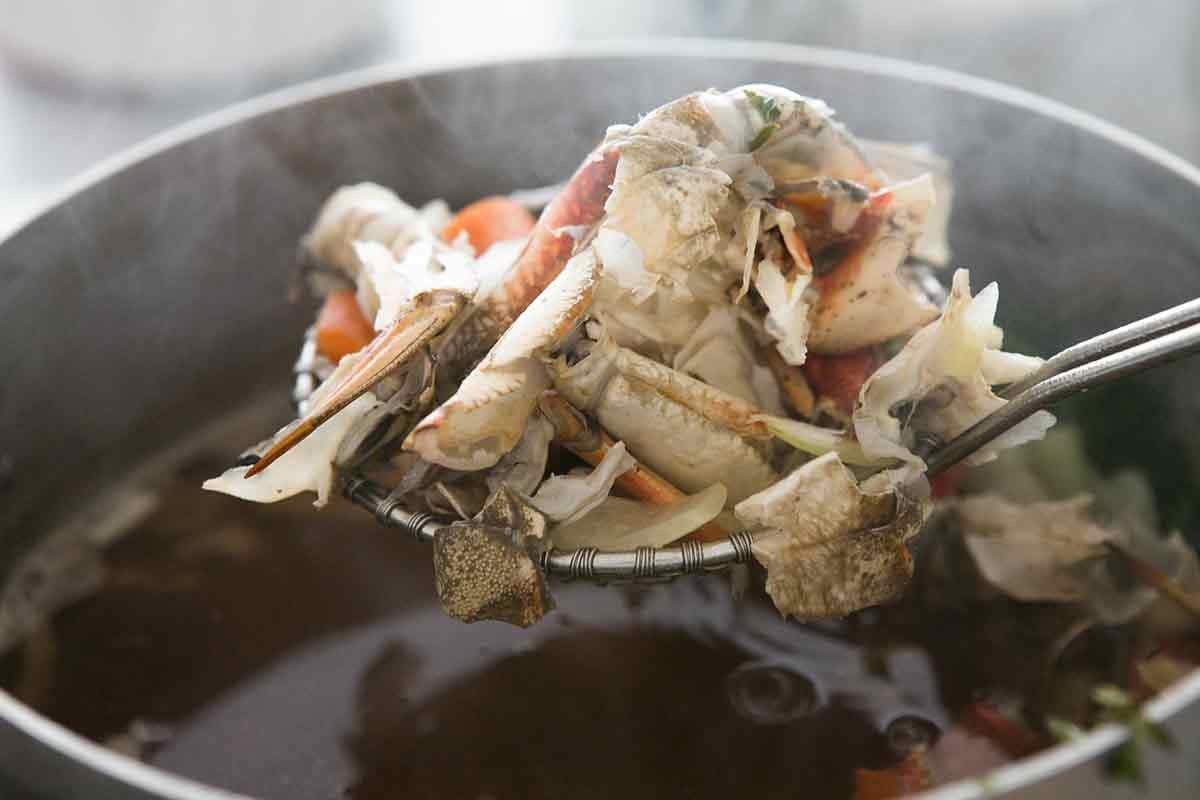
Seafood gumbo stock is the heart and soul of a good gumbo, infusing the dish with rich, deep flavors from the sea. This stock is made by simmering shrimp shells and crab shells with aromatic vegetables and spices, creating a robust base that elevates your gumbo to new heights.
Some ingredients in this recipe might not be commonly found in every household. Shrimp shells and crab shells are essential for this stock, so you may need to visit a seafood market or the seafood section of your supermarket. Make sure to ask for shells when purchasing shrimp and crabs, as they are often discarded.
Ingredients For Seafood Gumbo Stock Recipe
Shrimp shells: These provide a rich, briny flavor essential for the stock.
Crab shells: Adds depth and a slightly sweet undertone to the stock.
Onion: Adds sweetness and complexity to the stock.
Celery: Contributes a subtle earthiness and aromatic quality.
Bell pepper: Adds a mild sweetness and vibrant flavor.
Garlic: Provides a pungent, savory depth to the stock.
Tomato paste: Enhances the color and adds a slight tanginess.
Water: The base liquid that extracts flavors from the ingredients.
Salt: Enhances the overall flavor of the stock.
Black pepper: Adds a hint of heat and complexity.
Bay leaves: Infuses the stock with a subtle, herbal aroma.
Technique Tip for Making Gumbo Stock
When making a seafood gumbo stock, it's crucial to extract maximum flavor from the shrimp shells and crab shells. To do this, make sure to cook the shells until they turn a vibrant pink and release their aromatic oils. This step is essential for building a rich, flavorful base. Additionally, when adding the vegetables like onion, celery, and bell pepper, ensure they are chopped uniformly to cook evenly and release their flavors effectively. Don't rush the simmering process; allowing the stock to simmer for a full hour helps to meld all the flavors together, resulting in a deeply flavorful broth.
Suggested Side Dishes
Alternative Ingredients
peeled shrimp shells - Substitute with fish heads and bones: Fish heads and bones provide a similar depth of flavor and umami to the stock.
cleaned crab shells - Substitute with lobster shells: Lobster shells offer a rich, briny flavor that can mimic the taste of crab shells.
chopped onion - Substitute with leeks: Leeks have a milder, sweeter flavor that can complement the other ingredients in the stock.
chopped celery - Substitute with fennel stalks: Fennel stalks add a subtle anise flavor that can enhance the complexity of the stock.
chopped bell pepper - Substitute with poblano pepper: Poblano peppers provide a mild heat and a slightly smoky flavor that can add depth to the stock.
minced garlic - Substitute with shallots: Shallots offer a milder, sweeter taste that can blend well with the other ingredients.
tomato paste - Substitute with crushed tomatoes: Crushed tomatoes can add a similar depth of flavor and acidity to the stock.
water - Substitute with vegetable broth: Vegetable broth can add an extra layer of flavor to the stock.
salt - Substitute with soy sauce: Soy sauce can provide a similar level of saltiness along with additional umami.
black pepper - Substitute with white pepper: White pepper has a slightly different heat profile but can still provide the necessary spiciness.
bay leaves - Substitute with thyme: Thyme can offer a similar earthy, herbal note to the stock.
Alternative Recipes Similar to Gumbo Stock
How to Store and Freeze Your Gumbo Stock
Allow the seafood gumbo stock to cool completely before storing. This helps prevent condensation, which can lead to unwanted moisture and spoilage.
Transfer the cooled stock into airtight containers. Use containers that are appropriate for the amount of stock you have, leaving about an inch of space at the top to allow for expansion if freezing.
Label each container with the date and contents. This will help you keep track of how long the stock has been stored and ensure you use the oldest stock first.
For refrigeration, place the containers in the coldest part of your fridge. The stock will keep for up to 3 days.
For freezing, use freezer-safe containers or heavy-duty freezer bags. If using bags, lay them flat on a baking sheet until frozen solid, then stack them to save space.
To thaw frozen seafood gumbo stock, transfer the container from the freezer to the refrigerator and let it thaw overnight. For a quicker method, place the sealed container in a bowl of cold water, changing the water every 30 minutes until thawed.
Reheat the stock gently on the stove over medium heat, stirring occasionally. Avoid boiling, as this can affect the flavor and texture.
If you notice any off smells, discoloration, or unusual textures, discard the stock immediately, as these are signs of spoilage.
How to Reheat Leftovers
Gently reheat the seafood gumbo stock on the stovetop over medium-low heat. Stir occasionally to ensure even heating and prevent sticking. This method preserves the delicate flavors of the shrimp and crab shells.
Use a microwave-safe container to reheat the stock in the microwave. Cover loosely with a microwave-safe lid or plastic wrap. Heat on medium power in 1-minute intervals, stirring in between, until the stock is hot. This method is quick and convenient for small portions.
For a more controlled reheating, use a double boiler. Place the seafood gumbo stock in the top part of the double boiler and simmer water in the bottom part. This gentle method prevents the stock from scorching and maintains its rich flavor.
If you have frozen the stock, thaw it in the refrigerator overnight before reheating. This ensures even reheating and maintains the integrity of the vegetables and seafood flavors.
Add a splash of water or broth if the stock has thickened too much during storage. This helps to restore its original consistency and enhances the reheating process.
Essential Tools for Making Gumbo Stock
Large pot: A large pot is essential for cooking the seafood shells and vegetables, and for simmering the stock.
Oil: Used for sautéing the shrimp and crab shells to bring out their flavors.
Wooden spoon: A wooden spoon is useful for stirring the ingredients as they cook.
Knife: A knife is needed for chopping the onion, celery, bell pepper, and mincing the garlic.
Cutting board: A cutting board provides a safe surface for chopping vegetables and mincing garlic.
Measuring cups: Measuring cups are used to measure out the water and chopped vegetables accurately.
Measuring spoons: Measuring spoons are used to measure the salt, black pepper, and tomato paste.
Fine-mesh strainer: A fine-mesh strainer is necessary for straining the stock to remove the solids.
Large bowl: A large bowl is used to collect the strained stock.
Storage containers: Storage containers are needed if you plan to store the stock in the refrigerator or freezer.
Time-Saving Tips for Making Gumbo Stock
Prepare ingredients in advance: Chop the onion, celery, bell pepper, and garlic ahead of time and store them in the refrigerator.
Use pre-made stock: Substitute homemade stock with high-quality store-bought seafood stock to save time.
Freeze shells: Collect and freeze shrimp and crab shells over time, so you have enough when you need to make the stock.
Batch cooking: Make a large batch of seafood stock and freeze it in portions for future use.
Seafood Gumbo Stock Recipe
Ingredients
Main Ingredients
- 1 lb Shrimp shells from peeled shrimp
- 1 lb Crab shells from cleaned crabs
- 1 cup Onion chopped
- 1 cup Celery chopped
- 1 cup Bell pepper chopped
- 2 cloves Garlic minced
- 1 tablespoon Tomato paste
- 8 cups Water
- 2 teaspoon Salt
- 1 teaspoon Black pepper
- 2 pcs Bay leaves
Instructions
- 1. In a large pot, heat a bit of oil over medium heat. Add the shrimp and crab shells, and cook until they turn pink.
- 2. Add the chopped onion, celery, bell pepper, and garlic. Cook until the vegetables are soft.
- 3. Stir in the tomato paste and cook for another minute.
- 4. Pour in the water, add salt, black pepper, and bay leaves. Bring to a boil.
- 5. Reduce the heat and let it simmer for about an hour. Skim off any foam that rises to the top.
- 6. Strain the stock through a fine-mesh strainer into another pot or large bowl. Discard the solids.
- 7. Use the stock immediately or let it cool and store in the refrigerator for up to 3 days, or freeze for up to 3 months.
Nutritional Value
Keywords
Suggested Appetizers and Desserts
More Amazing Recipes to Try 🙂
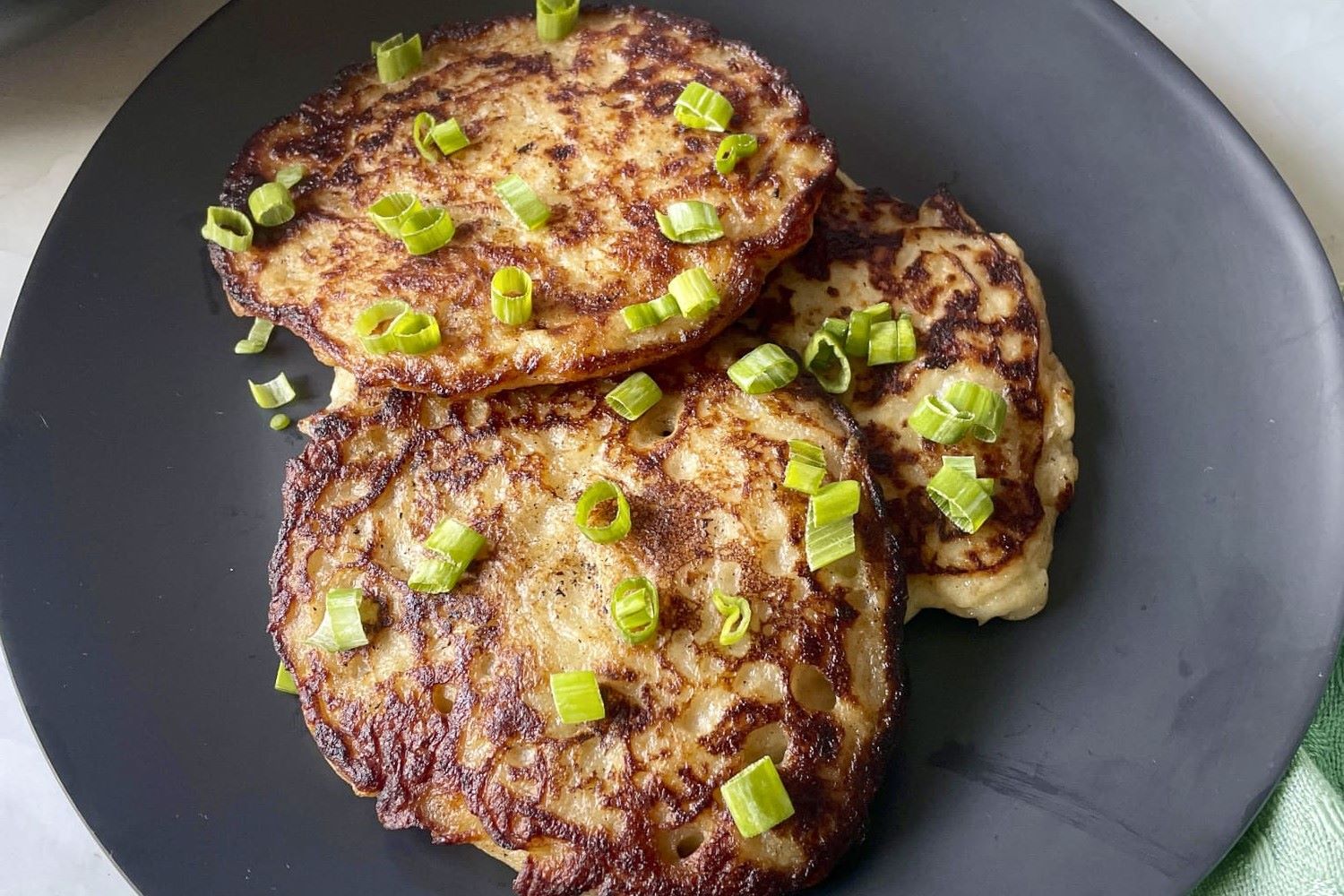
- Irish Boxty Recipe35 Minutes
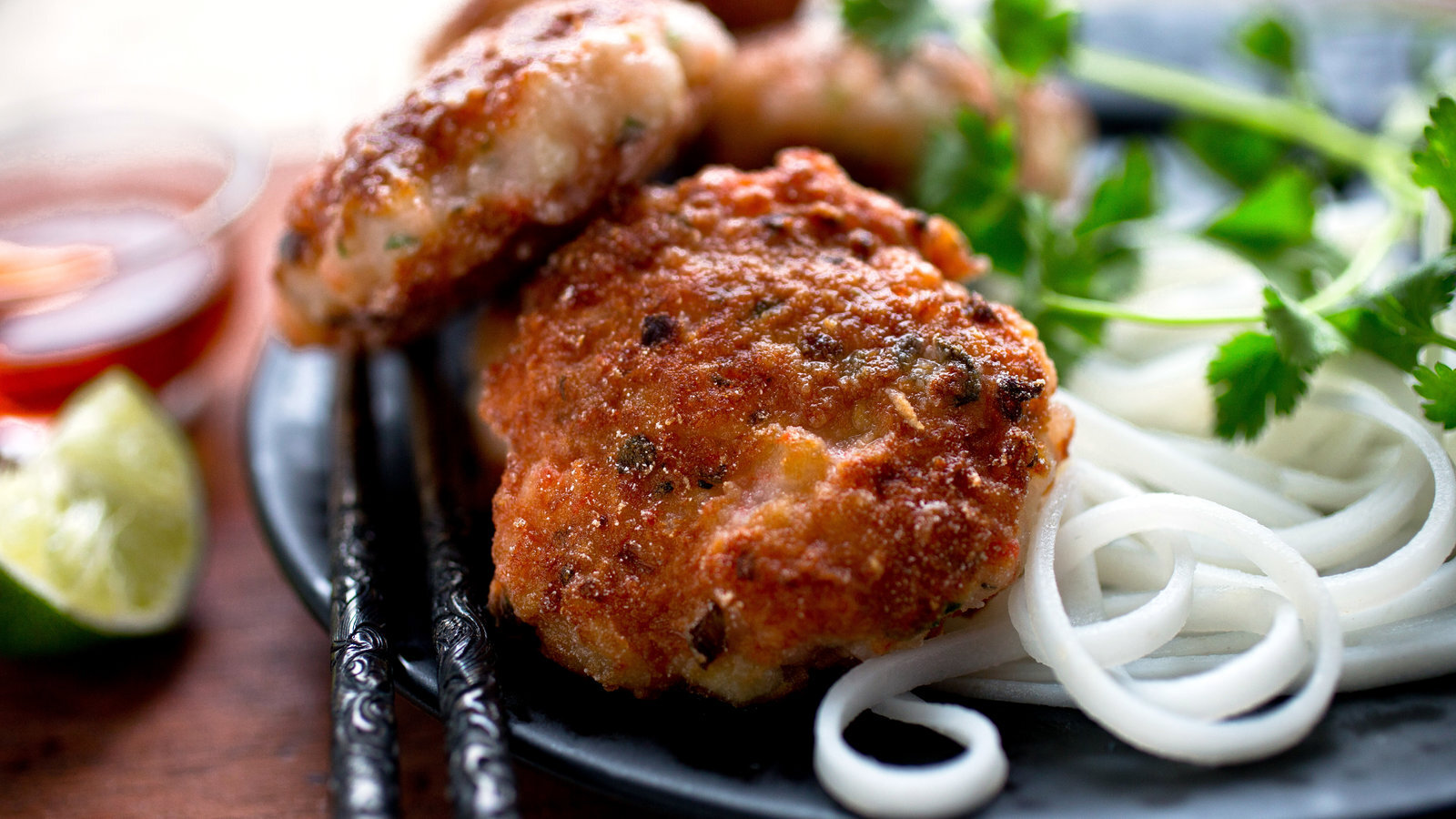
- Crab and Shrimp Cakes Recipe30 Minutes
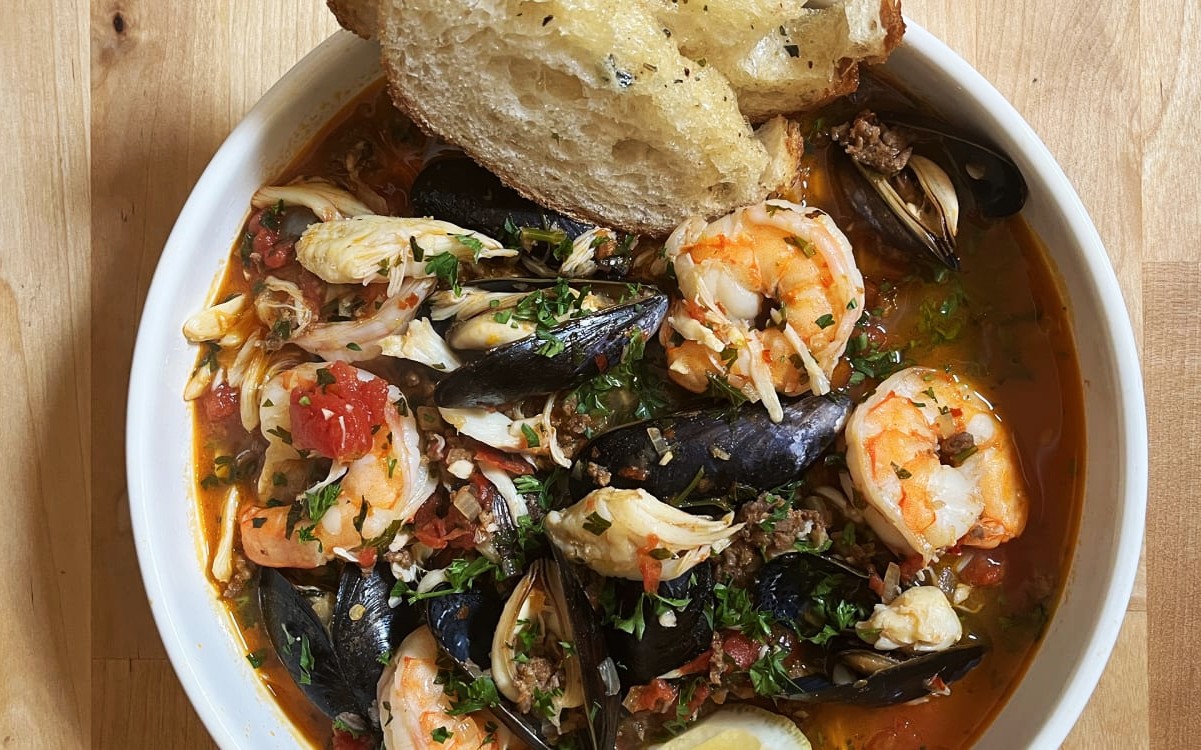
- Spicy Tomato Seafood and Chorizo Stew Recipe45 Minutes
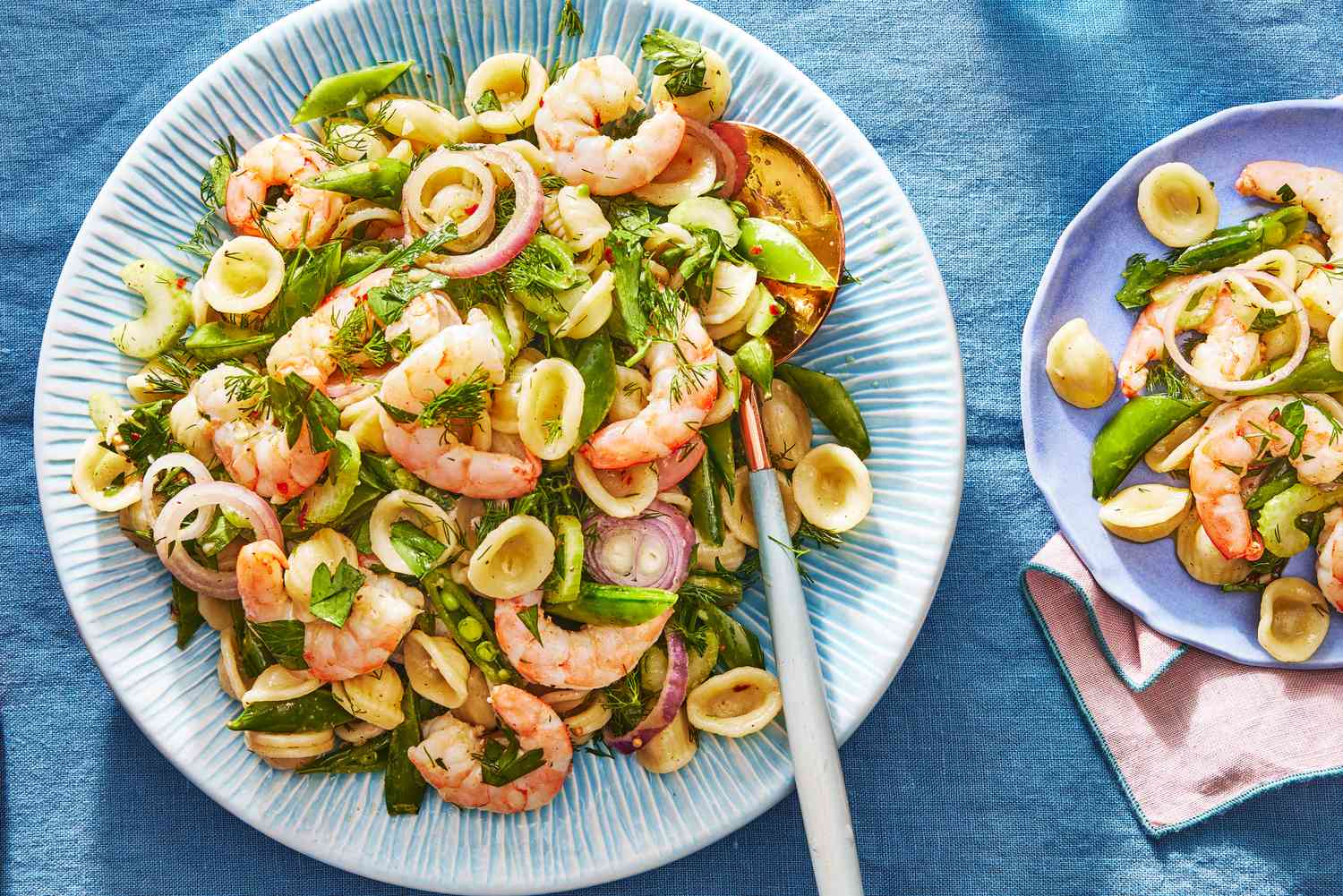
- Shrimp Pasta Salad Recipe25 Minutes
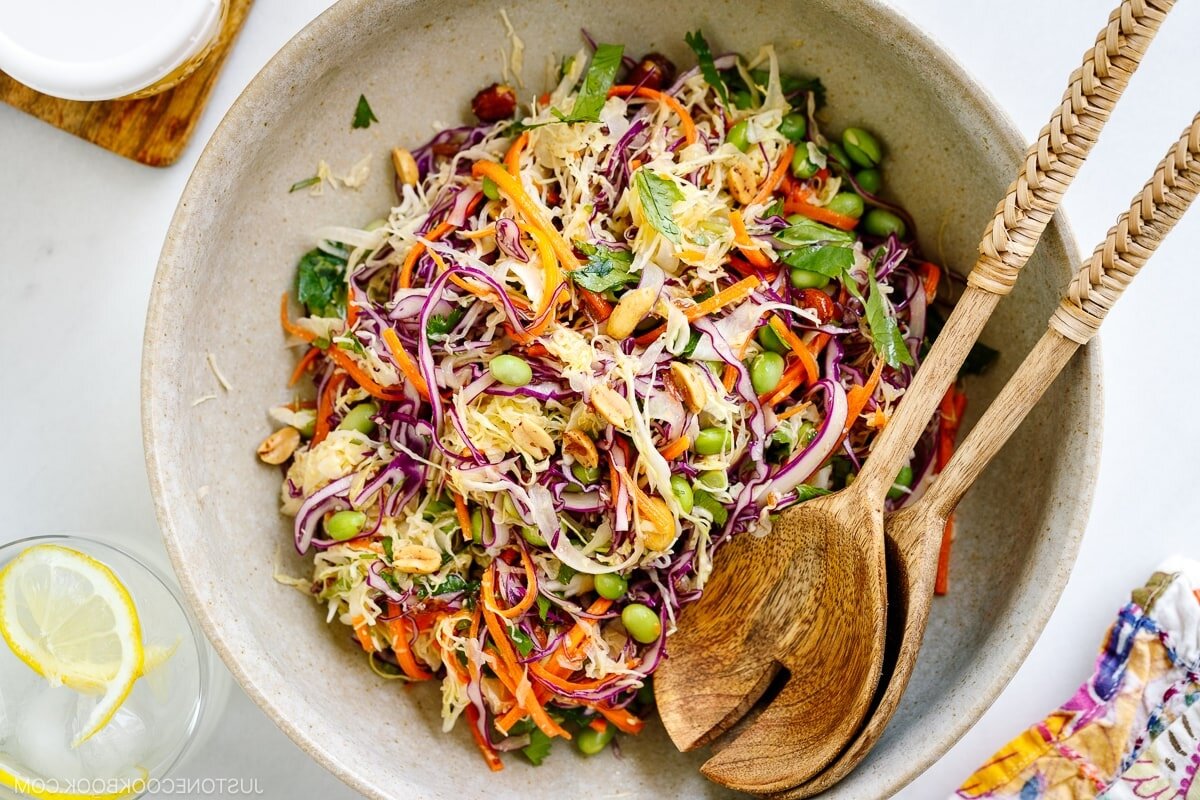
- Chinese Cabbage Salad Recipe15 Minutes
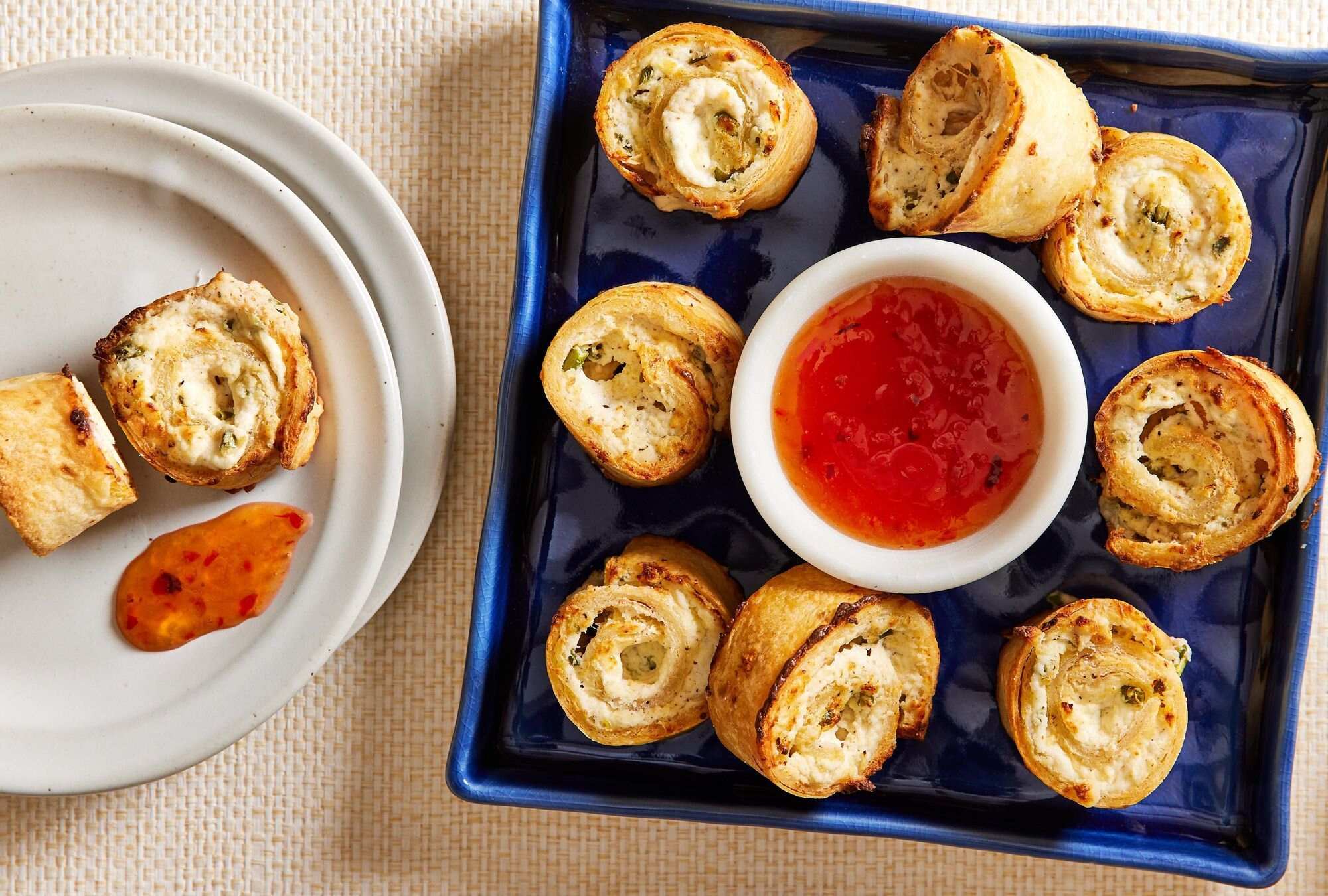
- Crabmeat Roll-Ups Recipe25 Minutes
- Shrimp Stock Recipe55 Minutes
- Shrimp Egg Foo Young Recipe35 Minutes

Leave a Reply